The LITILIT difference. Less hardware around every pulse.
Head + controller. No chiller needed.
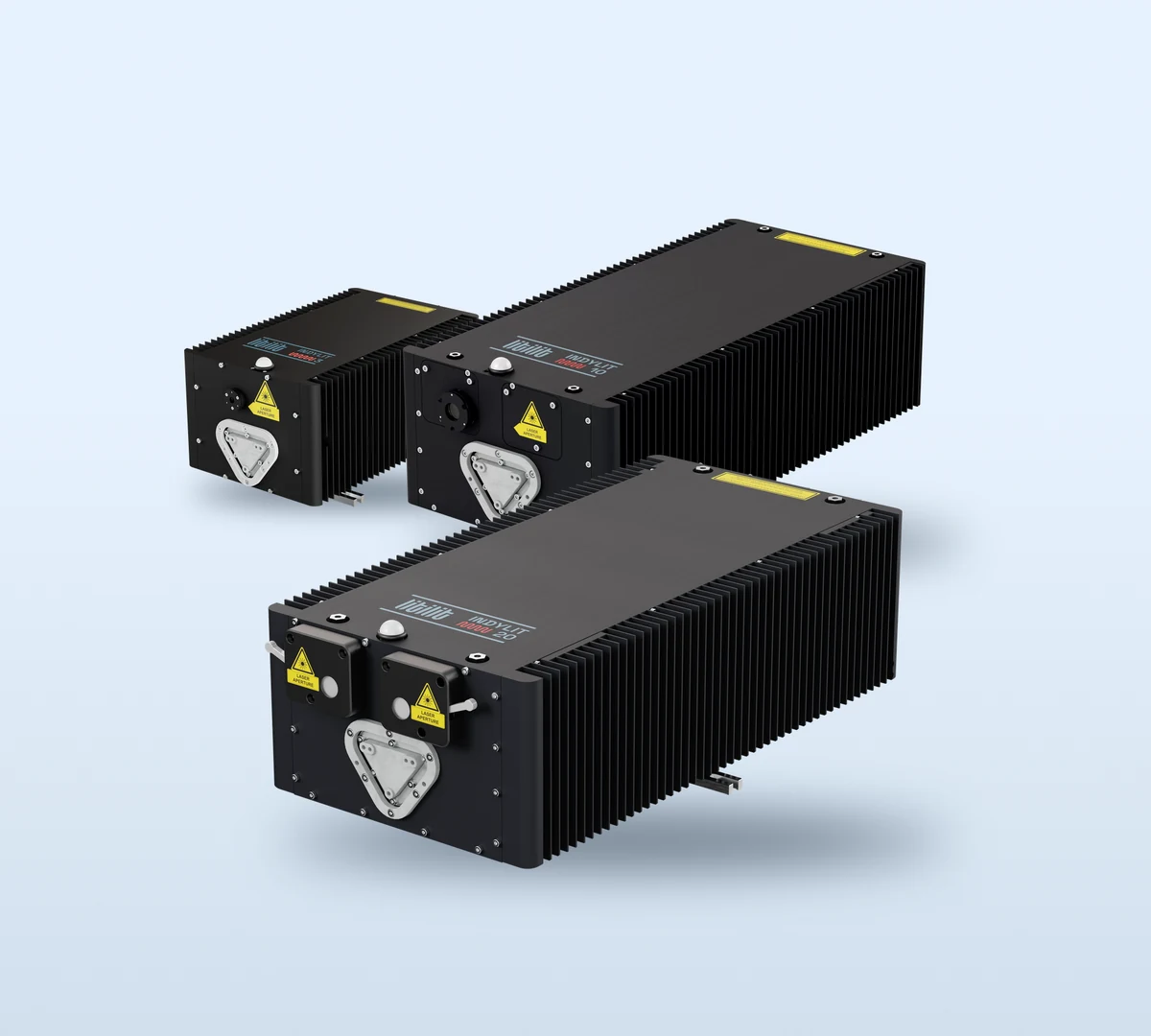
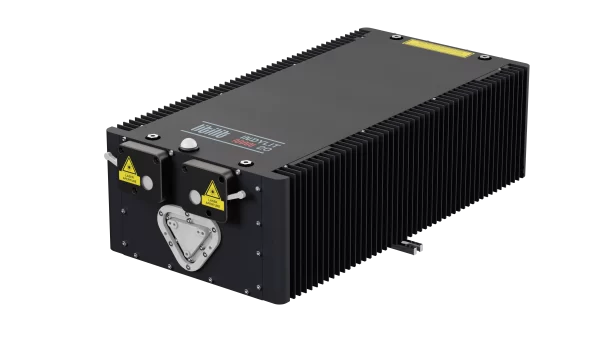
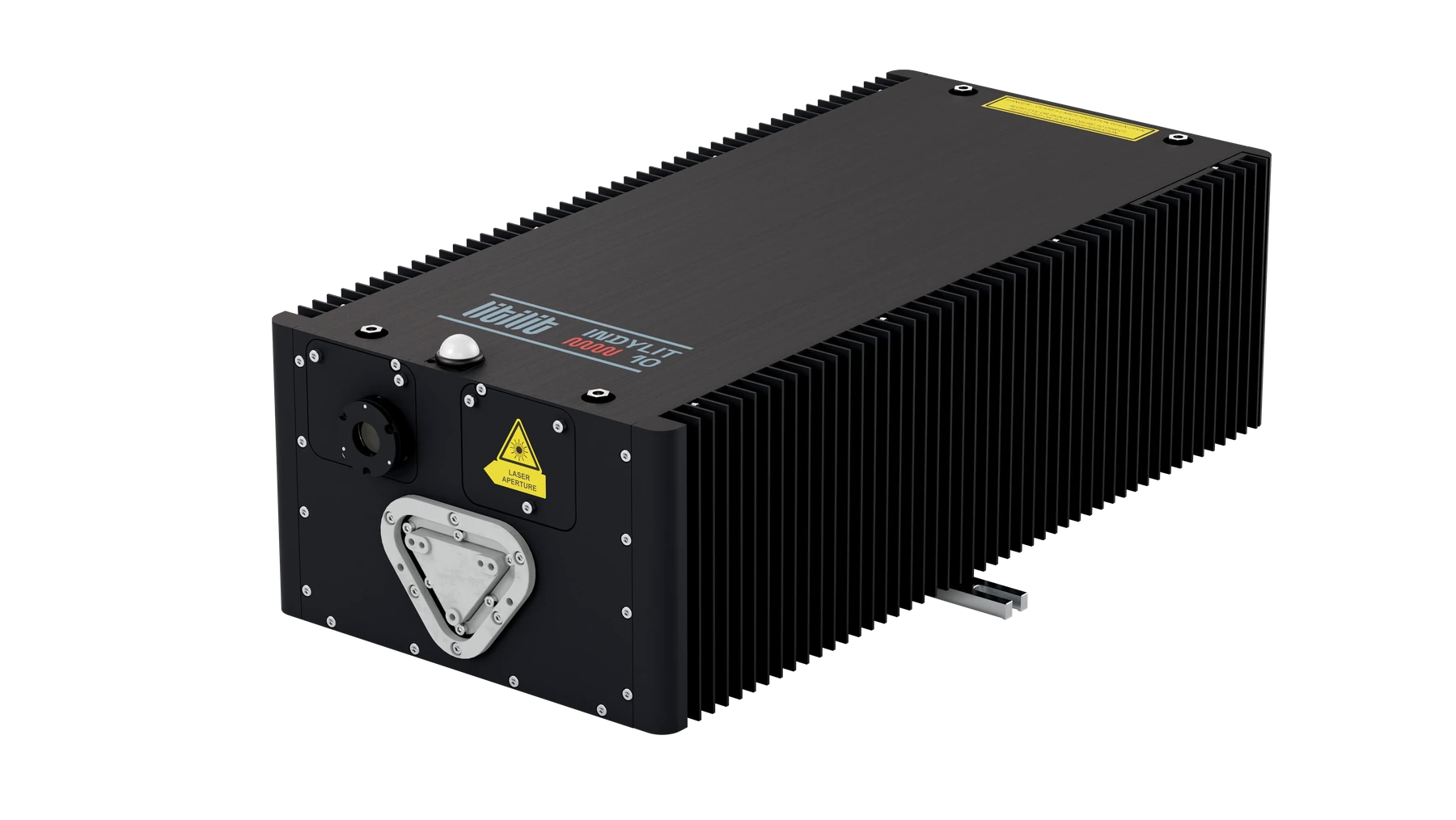
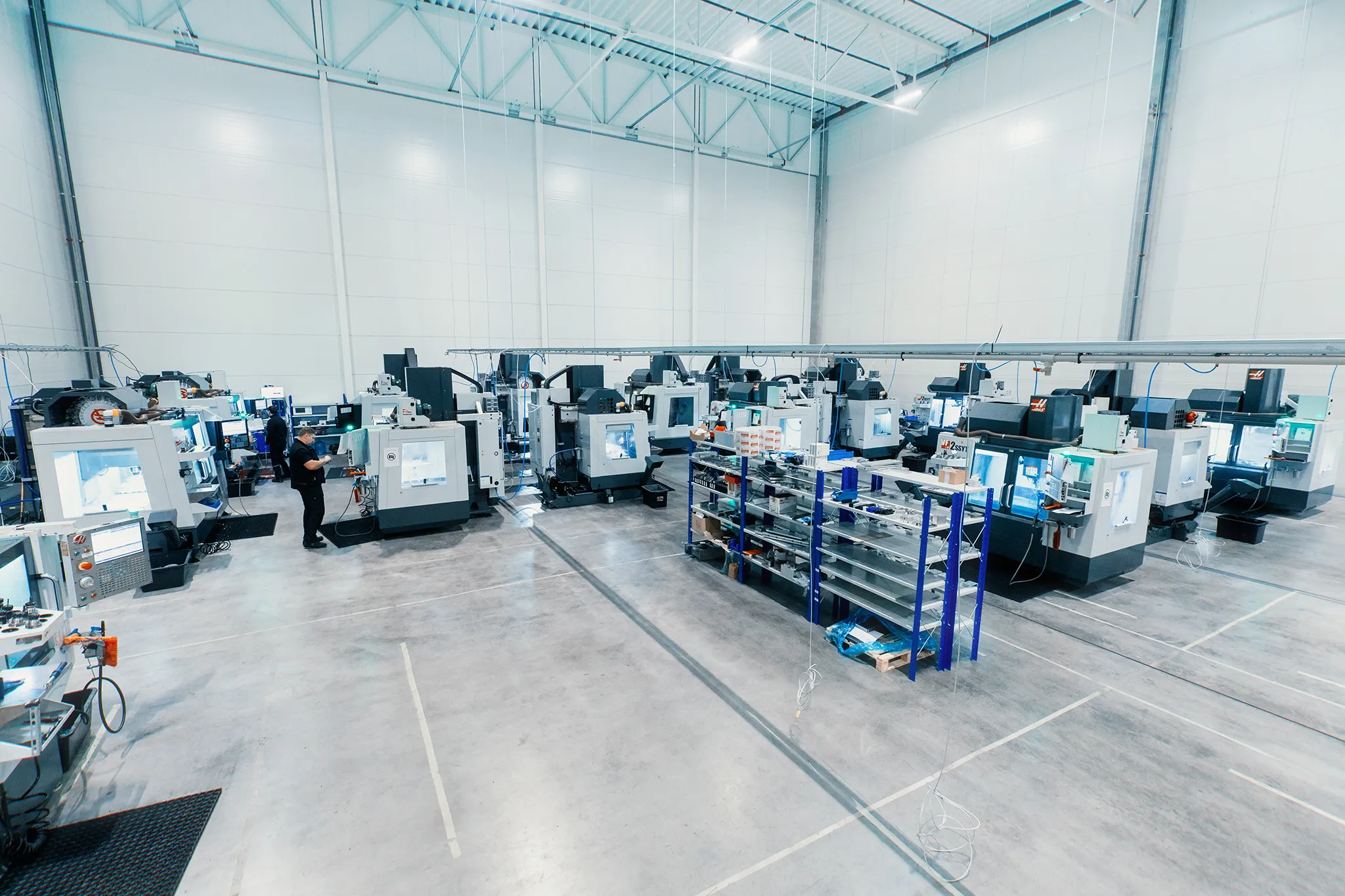
Passive air cooling takes the chiller out of the system: nothing standing beside the machine and no water lines to route through its frame.
0
Chillers or water loops
No coolant to service, no leaks, no extra footprint beside the machine.
Compact by design
Small enough to sit inside the machine frame, not on a cart next to it. Indylit 3 laser head: 301 × 189 × 156 mm.
19.8 g-force
Tested outside the lab
A Neolit rode the 2023 Dakar Rally unprotected inside a car door. After the crash, it kept working.
Read the case study
Choose the laser for the job.
All lasers
Industrial
Ophthalmology
Scientific & OEM
Industrial · Latest
Indylit 20
Industrial femtosecond laser for material processing
Average power
20 W
Pulse energy
> 200 µJ
Wavelength
1030 / 515 nm
Explore Indylit 20
Industrial
Indylit 10
Femtosecond laser for industrial and medical applications
Average power
10 W
Pulse energy
Up to 100 µJ
Wavelength
1030 nm
Explore Indylit 10
Ophthalmology
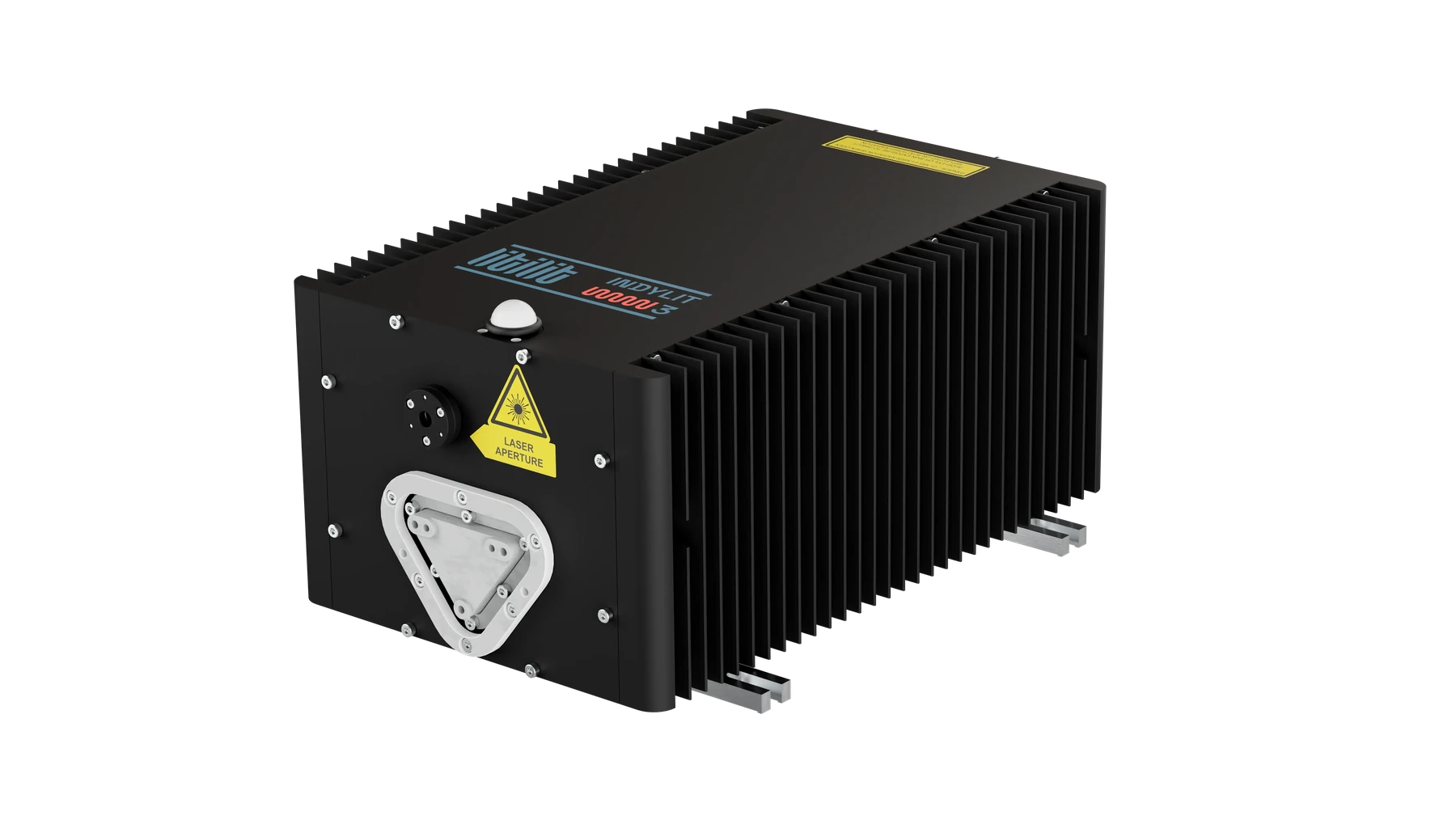
Indylit 3
Ultracompact femtosecond laser for ophthalmology
Average power
2.5 W
Pulse energy
> 2 µJ
Wavelength
1030 nm
Explore Indylit 3
Scientific
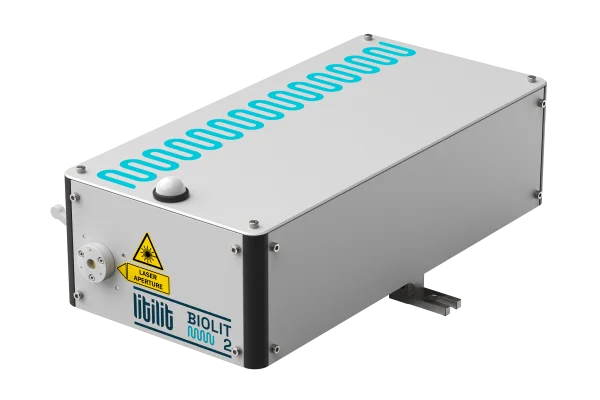
Biolit 2
Femtosecond laser for multiphoton microscopy and biophotonics
Average power
> 2 W
Pulse duration
< 70 fs
Wavelength
1050 nm
Explore Biolit 2
OEM seeder
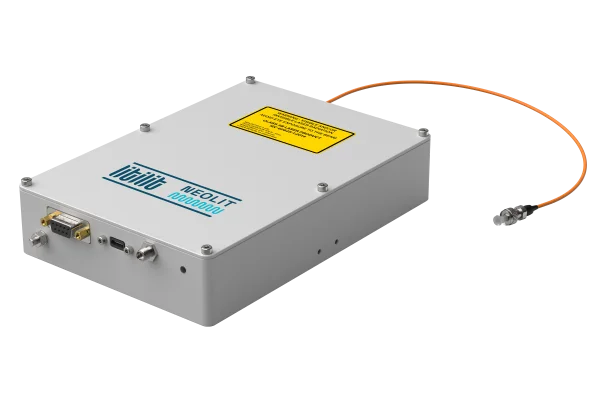
Neolit
Ultrashort pulse fibre seeder for laser amplifiers
Output power
1–50 mW
Pulse duration
1–10 ps
Wavelength
1020–1070 nm
Explore Neolit
Get to know each laser.
Indylit 20
Indylit 10
Indylit 3
Biolit 2
Neolit
Power
20 W. Two wavelengths.
More about:
Air-cooled
Head and controller. No chiller.
More about:
On the material
Glass, metal and ceramics.
More about:
See Indylit 20
Indylit 20 · Power
20 W. Two wavelengths.
20 W at 1030 nm, 515 nm optional. Indylit 20 delivers 20 W of average power at 1030 nm, and over 10 W at 515 nm with the optional second-harmonic module, with pulse durations from 400 fs to 4 ps and repetition rates from 80 kHz to 1.0 MHz.
See Indylit 20
Indylit 20 · Air-cooled
Head and controller. No chiller.
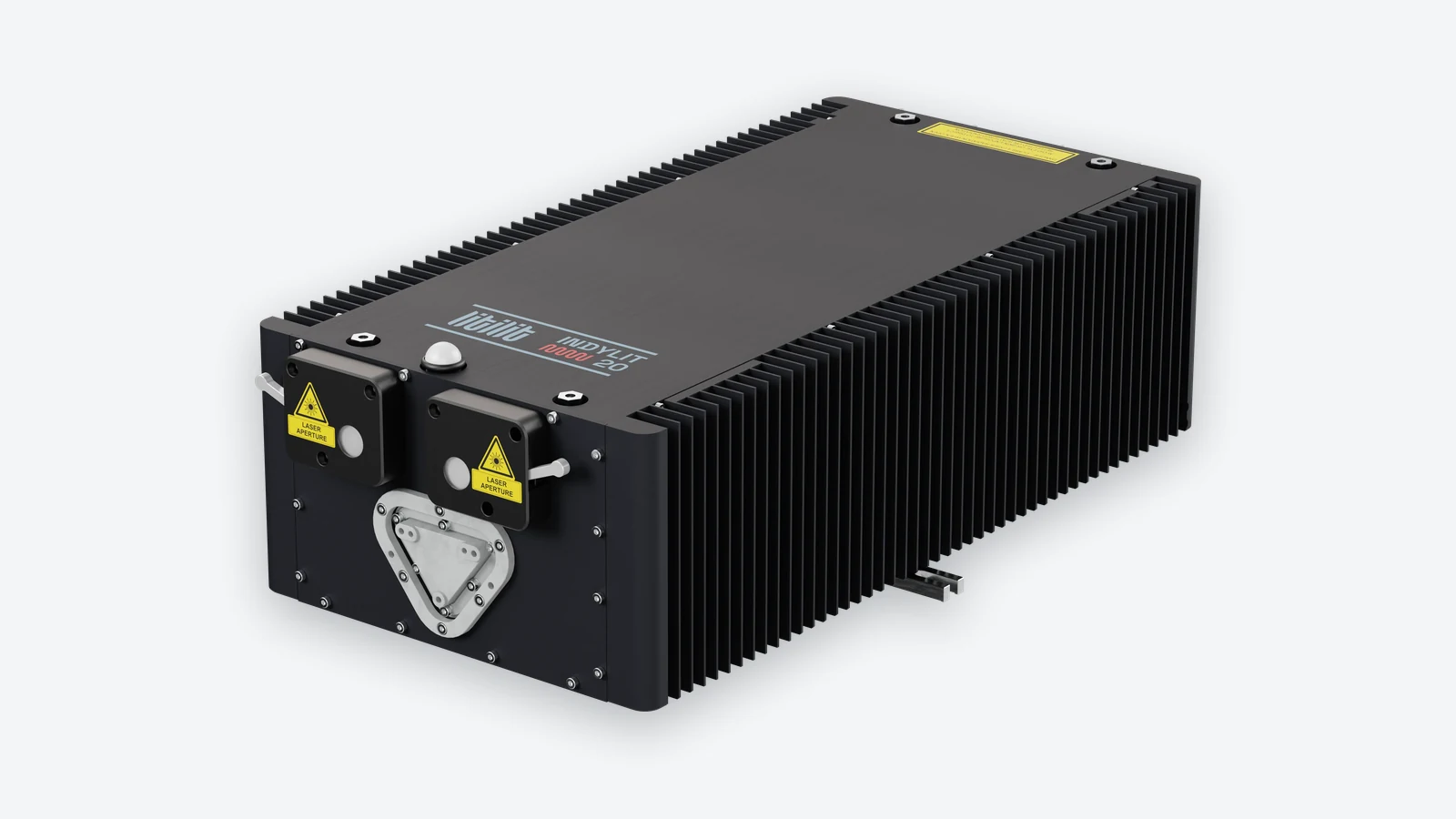
Nothing to plumb. All you need to start production is the head, the controller and its compact power supply. Passive air cooling means no chiller beside the machine and no water lines to route through its frame, so there is nothing to top up or leak.
See Indylit 20
Indylit 20 · On the material
Glass, metal and ceramics.
400 fs to 4 ps. Ultrashort pulses process glass, metal and ceramics. Because each laser is small and cools itself, several can be joined into one system that covers a larger area in a single pass.
See Indylit 20
Indylit 10 · Power
10 W at 1030 nm.
10 W average power. Indylit 10 delivers 10 W of average power at 1030 nm, with 380 fs pulses, tunable up to 4 ps, at 80 kHz – 1.6 MHz.
See Indylit 10
Indylit 10 · Pulses
380 fs – 4 ps
380 fs pulses, tunable to 4 ps. Indylit 10 runs at a repetition rate of 80 kHz – 1.6 MHz and a wavelength of 1030 nm.
See Indylit 10
Indylit 10 · Made for
Industrial and medical micromachining, 24/7.
Made for 24/7 production. Stent cutting and catheter holes, UDI and black marking of instruments and implants, and fine cutting and micro-drilling of precision parts. Passively air-cooled and dust and water protected (IP51).
See Indylit 10
Indylit 3 · Power
2.5 W at 1030 nm.
2.5 W average power. Indylit 3 delivers 2.5 W of average power at 1030 nm, with pulses under 290 fs at 1-3 MHz.
See Indylit 3
Indylit 3 · Pulses
< 290 fs
Pulses under 290 fs. Indylit 3 runs at a repetition rate of 1-3 MHz and a wavelength of 1030 nm.
See Indylit 3
Indylit 3 · Made for
Ultracompact laser for ophthalmology.
Ultracompact head, simple integration. The 301 × 189 × 156 mm laser head dissipates about 10 W, is dust and water protected (IP51) and has an integrated pulse picker, so it fits into tight ophthalmic systems. The control unit and a 3 m umbilical complete the laser.
See Indylit 3
Biolit 2 · Power
2 W at 1050 nm.
2 W average power. Biolit 2 delivers 2 W of average power at 1050 nm, with pulses under 70 fs at 20 MHz.
See Biolit 2
Biolit 2 · Pulses
< 70 fs
Pulses under 70 fs. Biolit 2 runs at a repetition rate of 20 MHz and a wavelength of 1050 nm.
See Biolit 2
Biolit 2 · Made for
Imaging and biophotonics.
Compact head, simple integration. The 313 × 152 × 107 mm laser head is passively air-cooled, and integrated dispersion pre-compensation lets you match the pulse to your microscope optics. The control unit and a 3 m umbilical complete the laser.
See Biolit 2
Neolit · Power
1-50 mW at 1020-1070 nm.
1-50 mW output power. Neolit delivers 1-50 mW of output power at 1020-1070 nm, with 1-10 ps pulses at 10-40 MHz.
See Neolit
Neolit · Pulses
1-10 ps
1-10 ps pulses. Neolit runs at a repetition rate of 10-40 MHz and a wavelength of 1020-1070 nm.
See Neolit
Neolit · Made for
Seeding laser amplifiers.
One small box, no consumable parts. The 194 × 135 × 40 mm passively cooled unit runs without a SESAM and delivers linearly polarised pulses through an FC/APC fibre connector, ready to connect to your amplifier.
See Neolit
Work out your numbers.
Calculators and planners built on Indylit datasheet values.
Where the pulses go to work.
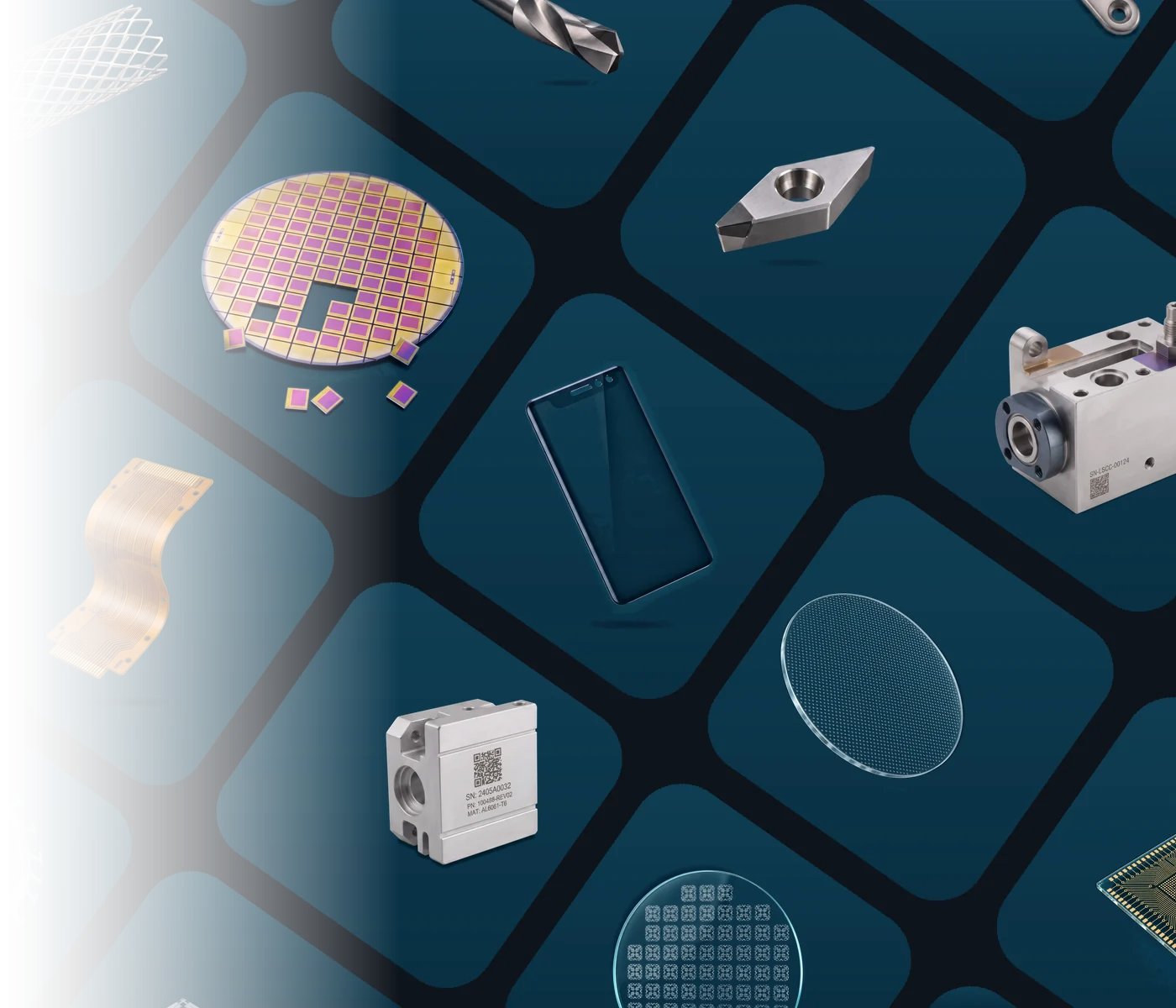
From wafers and cover glass to stents and cutting tools: what femtosecond pulses do to each material, and which laser fits.
Explore applications
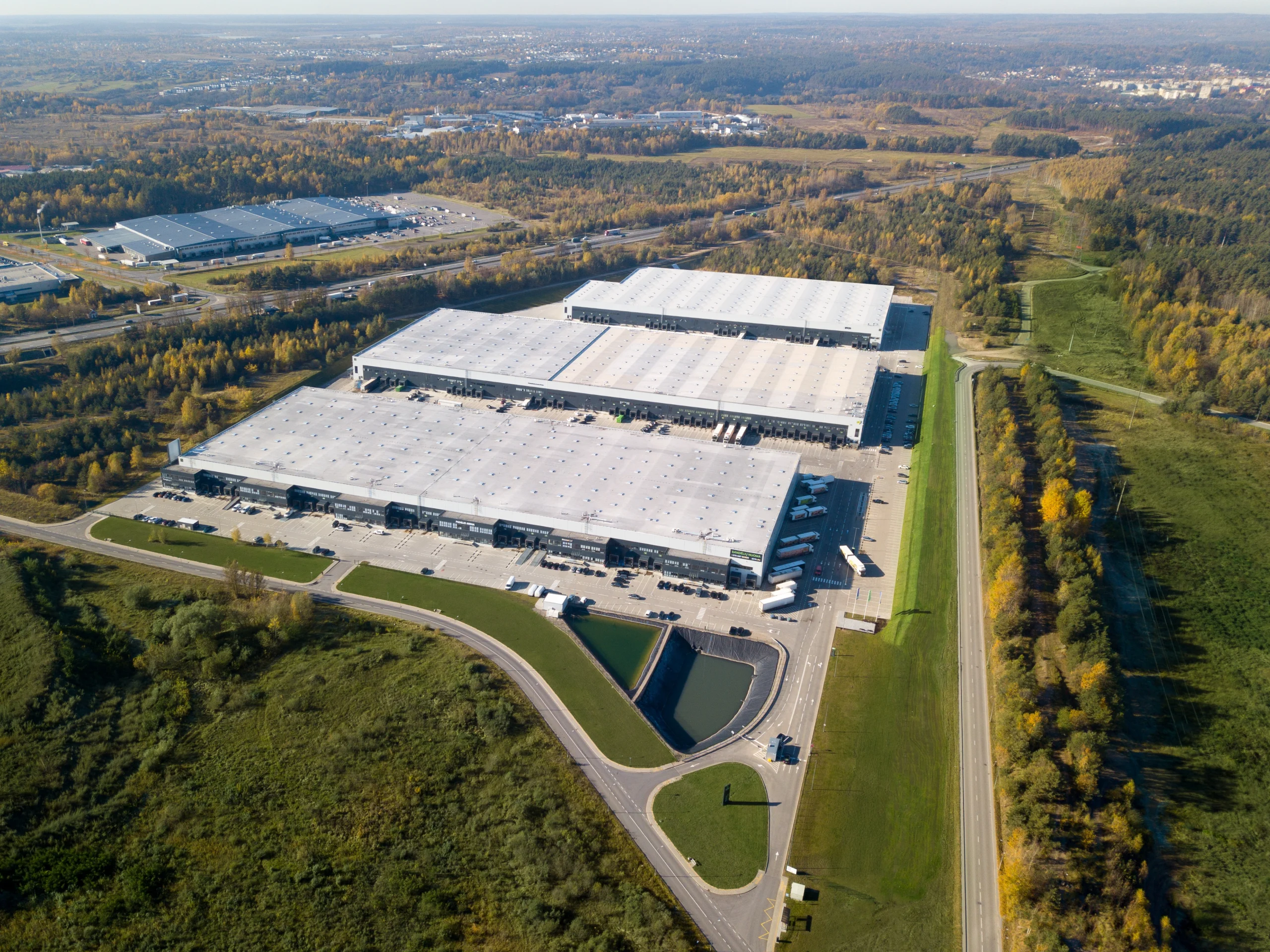
Built in Vilnius. Ready for your volumes.
Every LITILIT laser is designed, assembled and tested in Vilnius. Our new factory, opened in October 2026, scales production to up to 3,000 lasers a year.
Book a factory visit
Lasers installed worldwide
Lasers a year, new facility capacity
Warranty from shipment
24 months
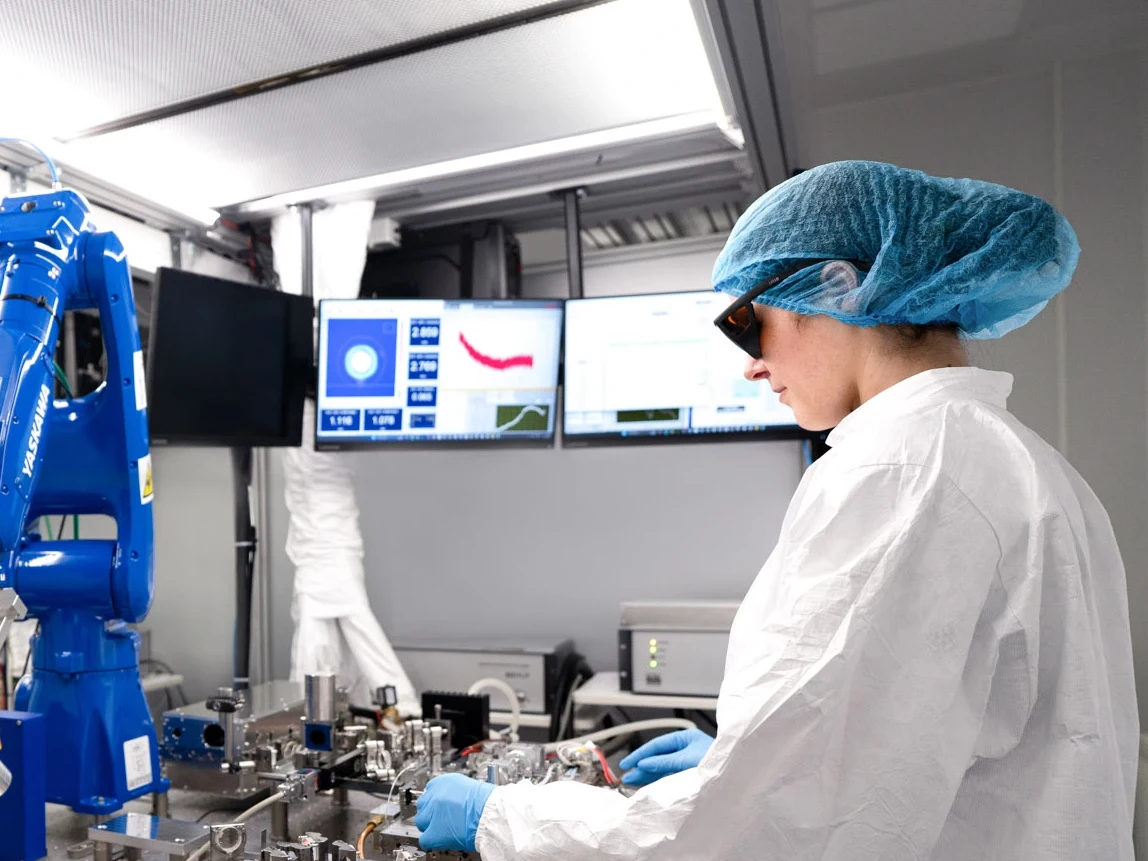
Assembly
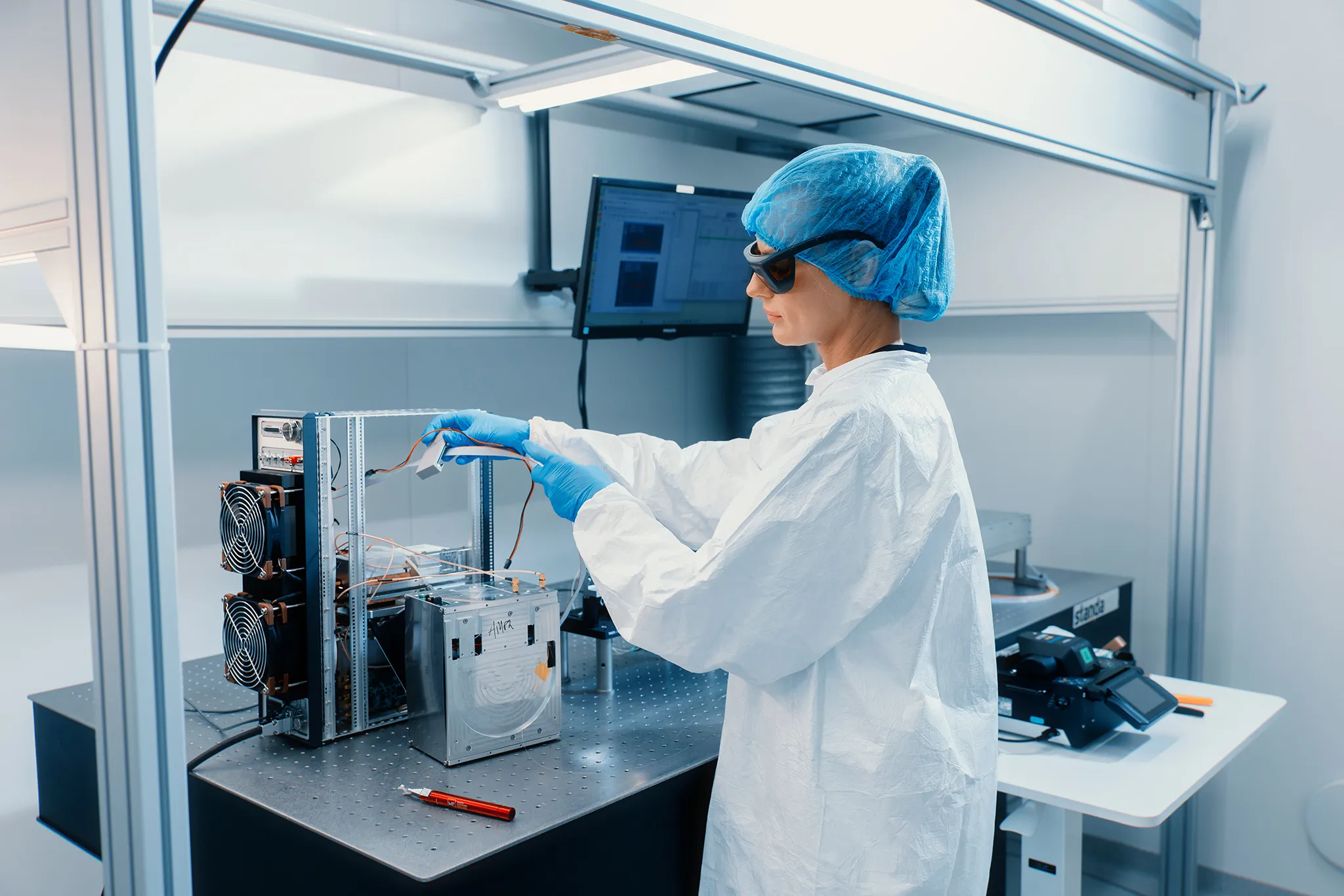
Clean-room assembly with robotic stations for repeatable builds.
Climate testing
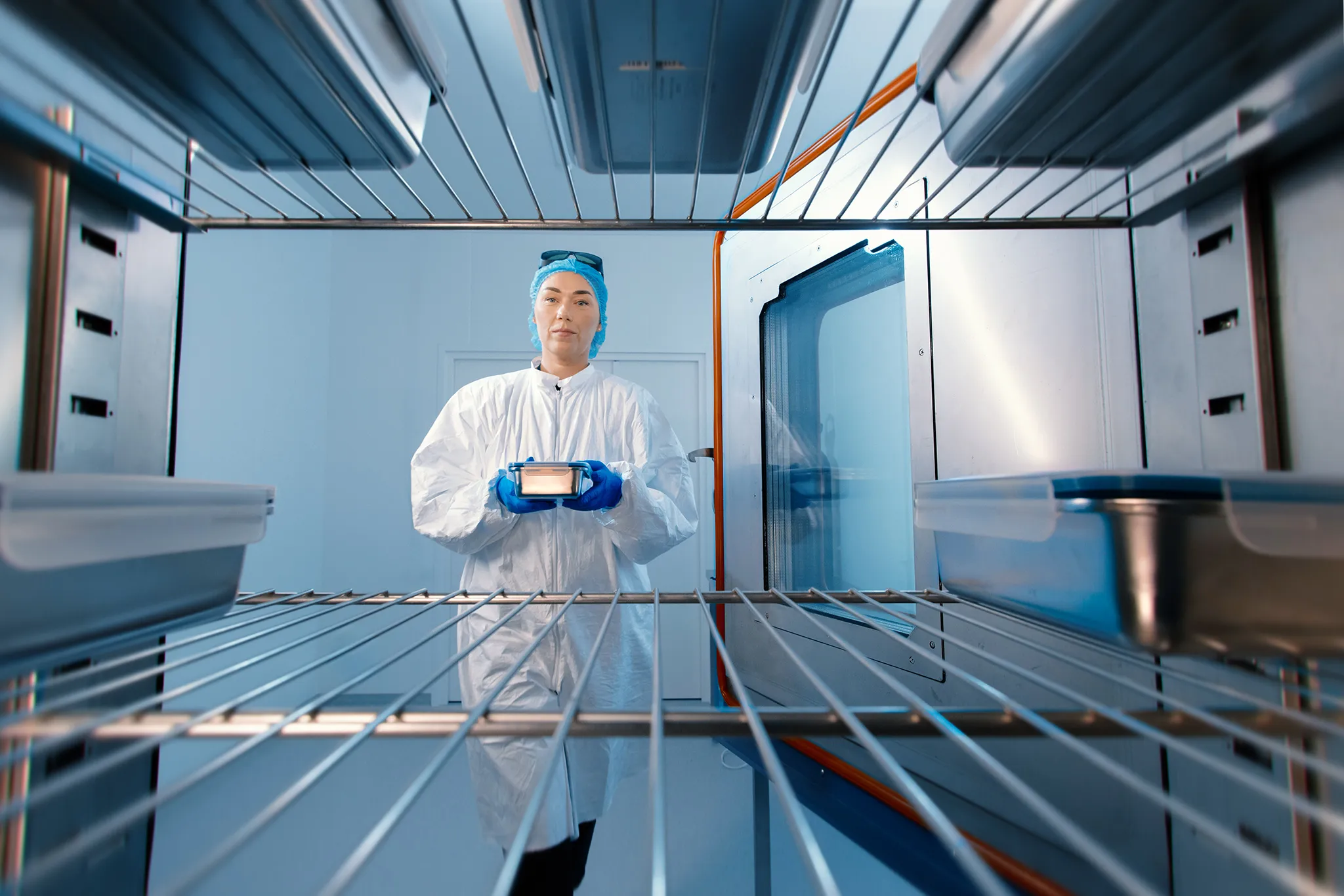
Every laser is tested in a climate chamber from −30 to +80 °C.
Burn-in and optical testing
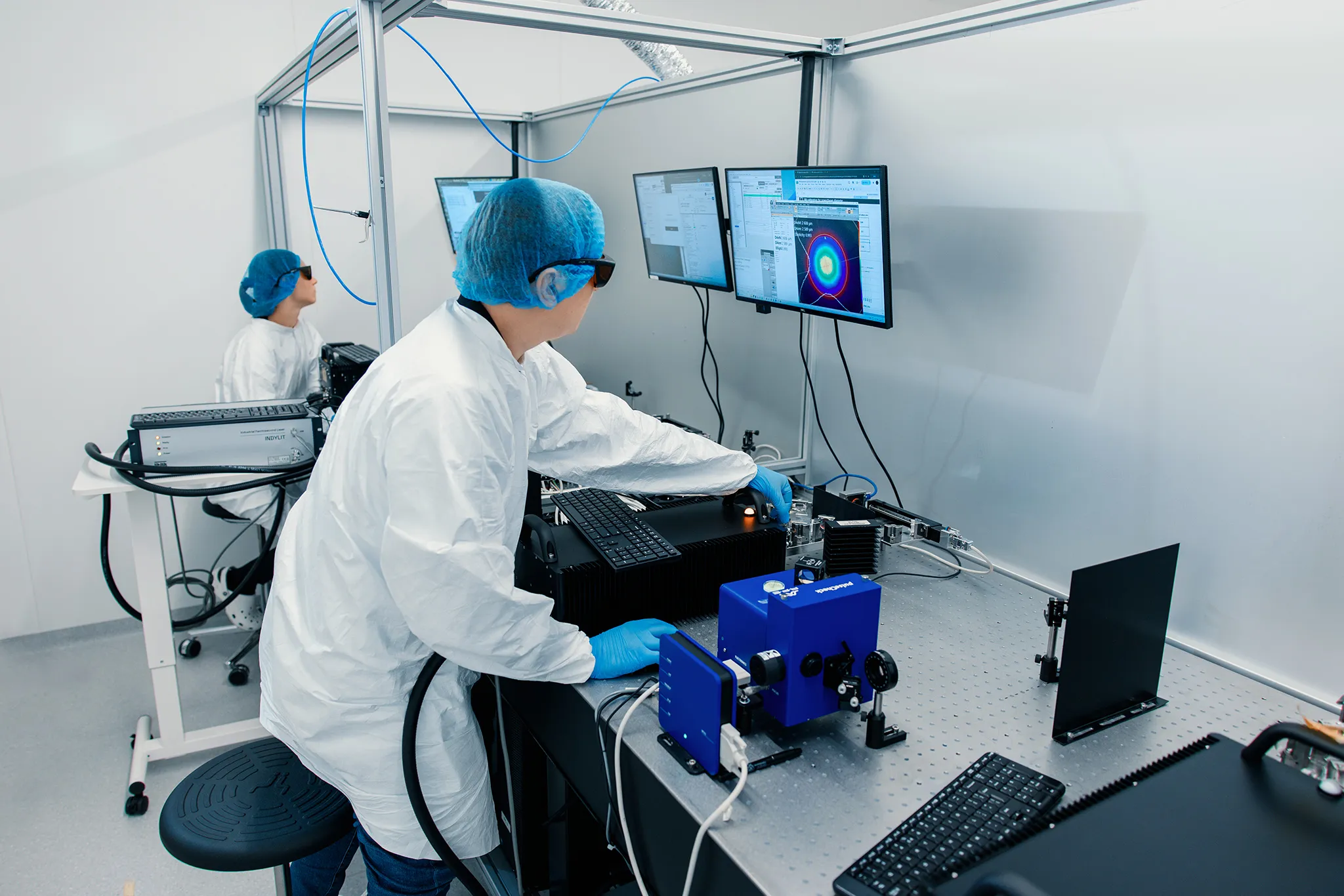
Every laser runs at full power, then power, pulse duration, beam quality and spectrum are measured.
Quality control
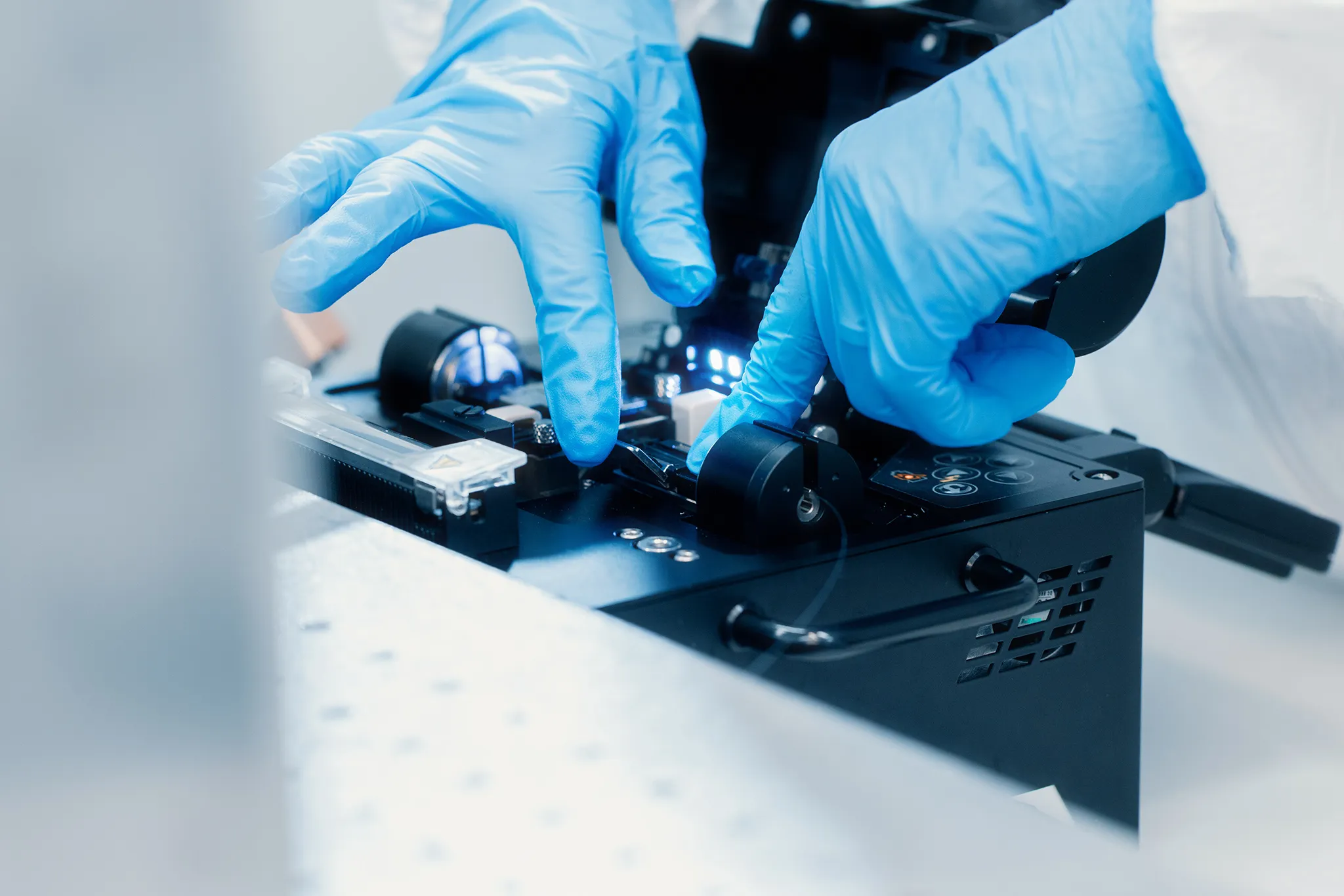
Final inspection, with a test record that ships with every laser.
Everything to specify a laser.
Have a question? Ask our laser assistant.
Answers on power, pulse duration, cooling and integration, drawn from LITILIT datasheets.
AI answers can be wrong. Confirm specifications with an engineer.
LITILIT assistant
Try asking
Which laser for through-glass vias?
Indylit 20 or Indylit 10?
How does buying a laser work?
Hi! Ask me about our lasers, their specifications or your application.
Don't share confidential data. For quotes and final specifications,
talk to an engineer
.