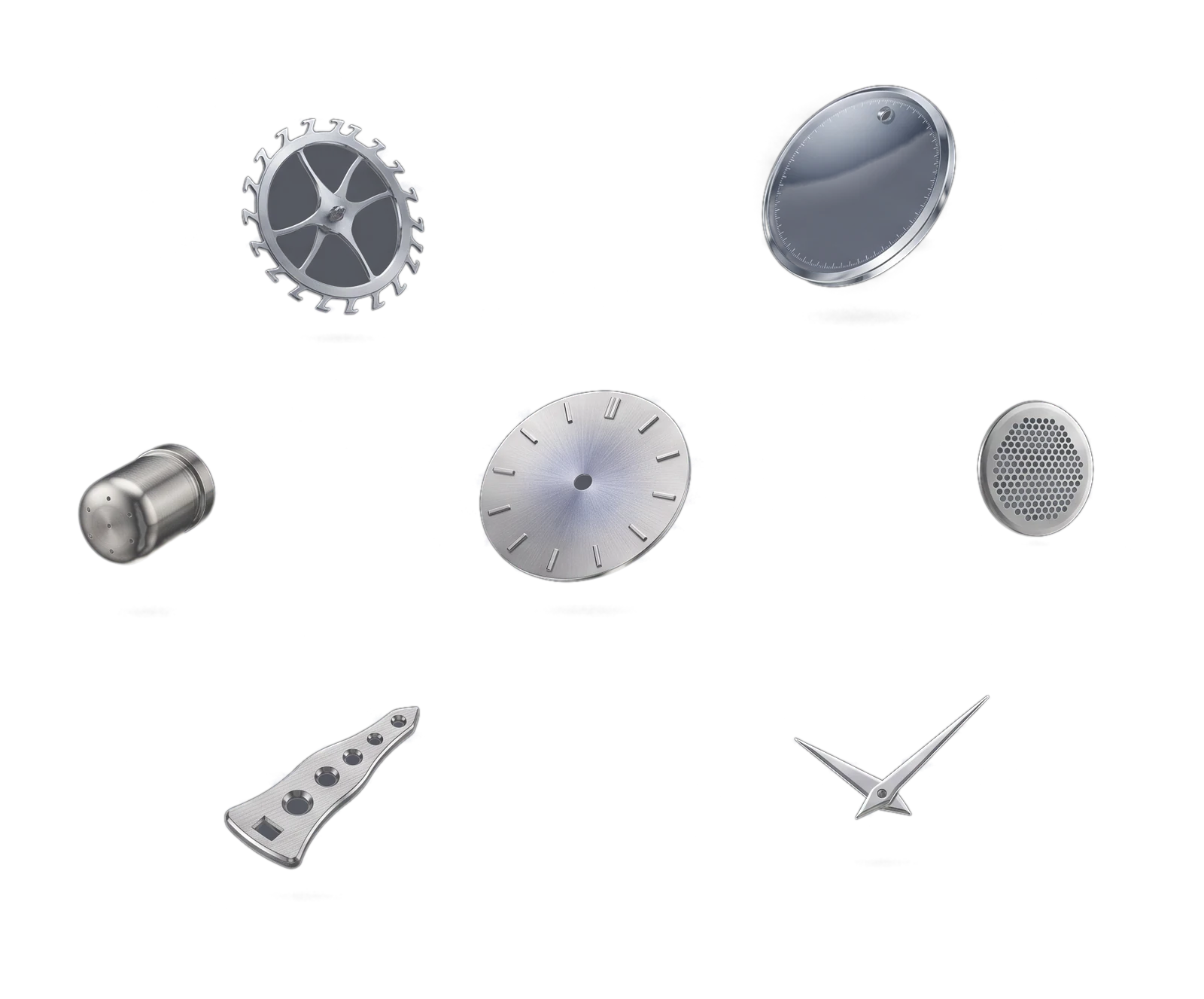
Micro-drilling, fine cutting and surface structuring of metals, sapphire and technical ceramics. Femtosecond pulses remove material before heat can spread, so parts come off the machine with minimal burr, recast or heat tint.
Where femtosecond micromachining works, from watch parts and injector nozzles to filters, sapphire and ceramics.
Watch and precision mechanical parts
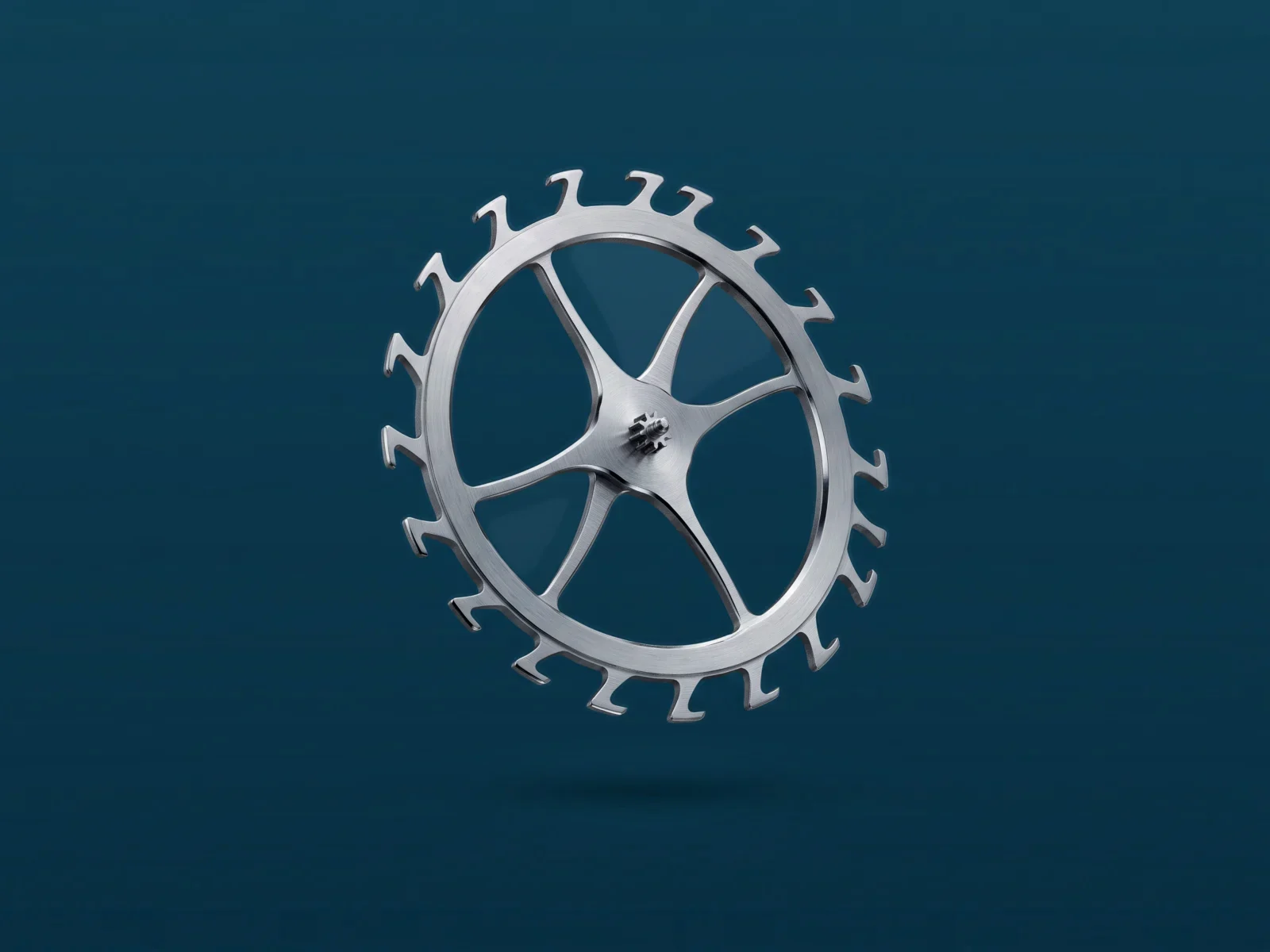
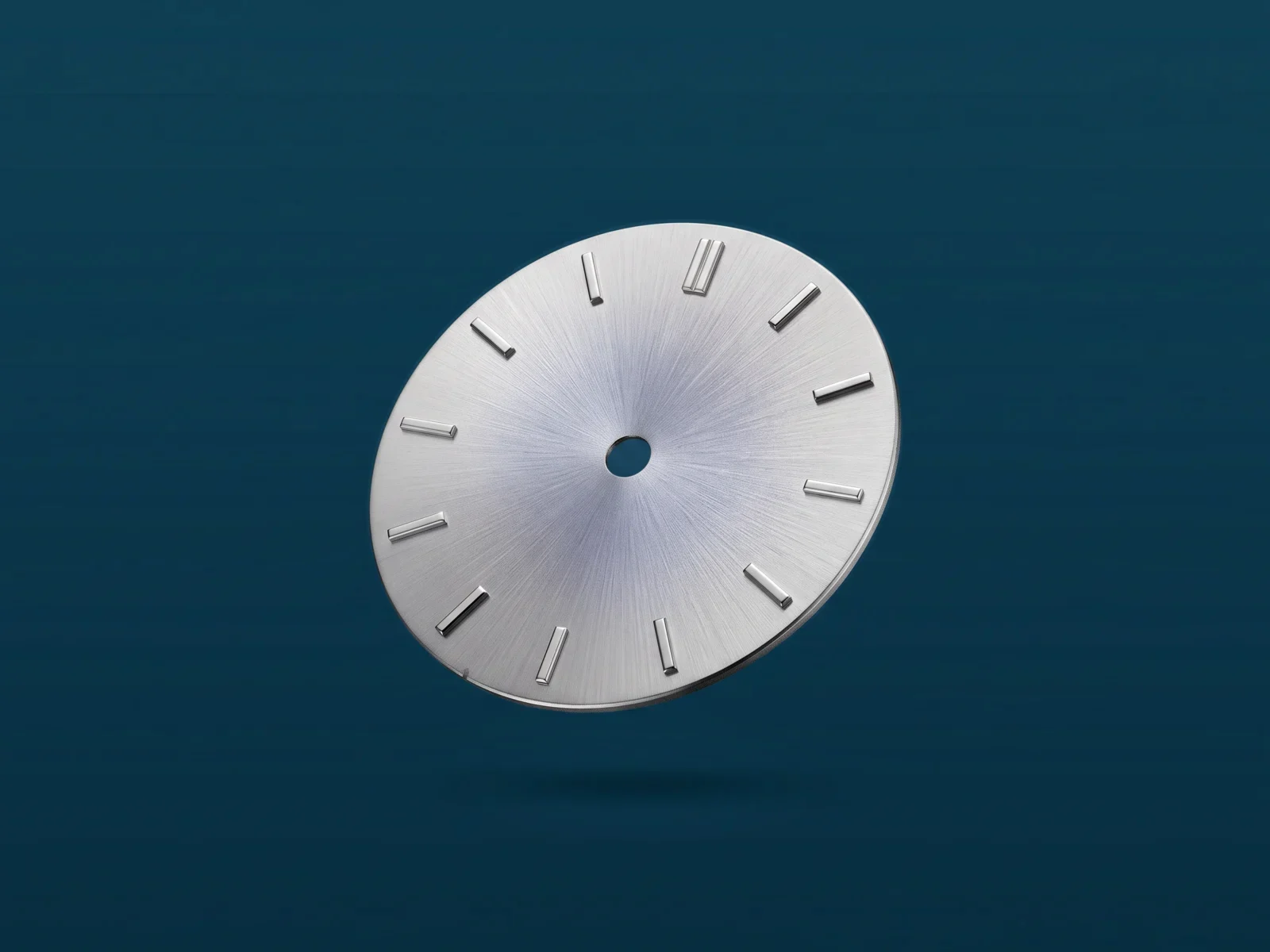
Escape wheels, springs and other watch parts are thin, small and need sharp contours with minimal burr. Stamping and wire EDM reach their limits on the finest teeth. A femtosecond laser cuts the contour and drills the holes in one setup, with minimal burr and heat tint on the polished surface.
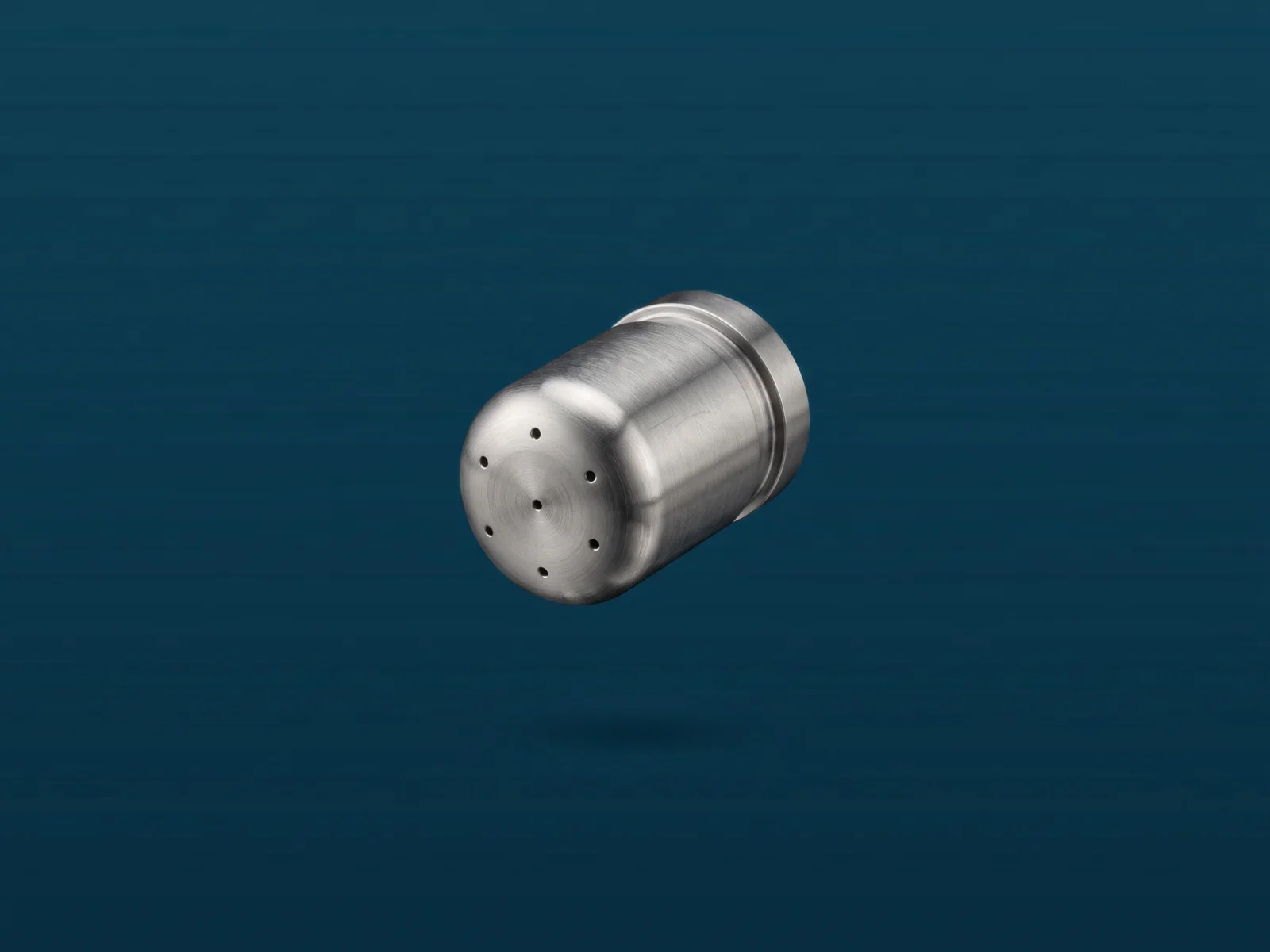
Fuel injector nozzles, spray tips and cooling holes need small holes with a controlled shape and a clean exit. The laser drills holes from about ten micrometres upwards, sets the taper with the beam path and leaves little or no burr inside the hole.
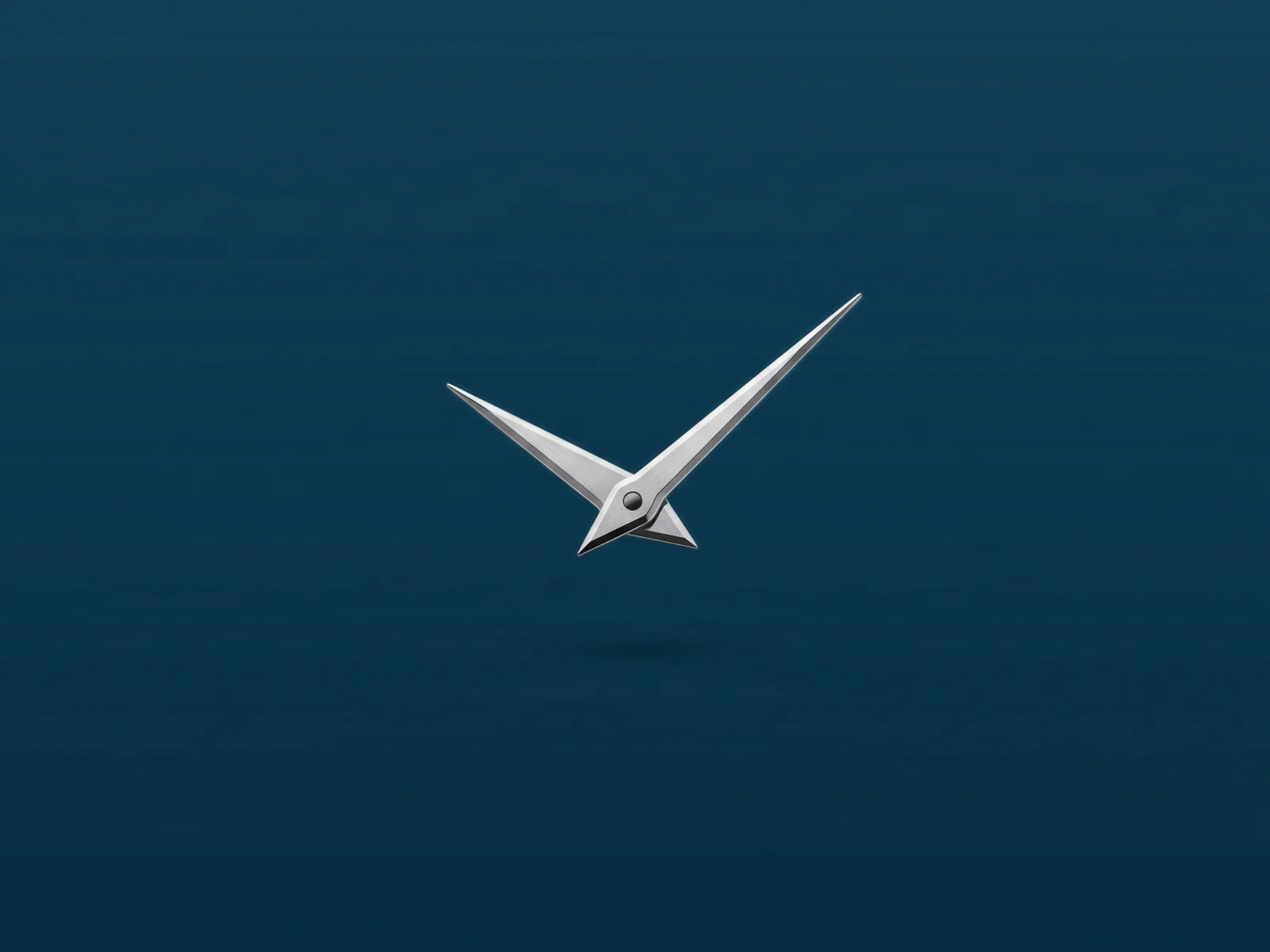
Watch hands, thin springs and metal foils bend and distort under mechanical cutting. The laser cuts them without contact force and with a kerf of a few tens of micrometres, so small parts keep their shape and need little or no deburring.
Watch parts, nozzles, filters and implants keep getting smaller and tighter in tolerance. Every burr or recast layer adds a finishing step, and some features are too small to finish at all.
Post-processing eats the margin
Mechanical micro-drilling breaks tools and leaves burrs. Nanosecond lasers melt the material, leaving recast, heat-affected zones and debris that need extra cleaning and inspection steps.
What the process needs
Minimal burr and recast
Micron-level dimensional accuracy
Metals, ceramics and polymers on one machine
Stable quality from first part to last
Ablation with minimal melting
Each femtosecond pulse removes a thin layer of material before heat can spread. Holes, slots and contours are cut layer by layer, with clean walls and minimal melt at the edge.
Surface structuring
A controlled micro- or nano-texture changes how a surface looks, wets, reflects or holds a coating. The laser writes the texture directly, from fine decorative finishes on dials to functional structures that repel water or improve bonding.
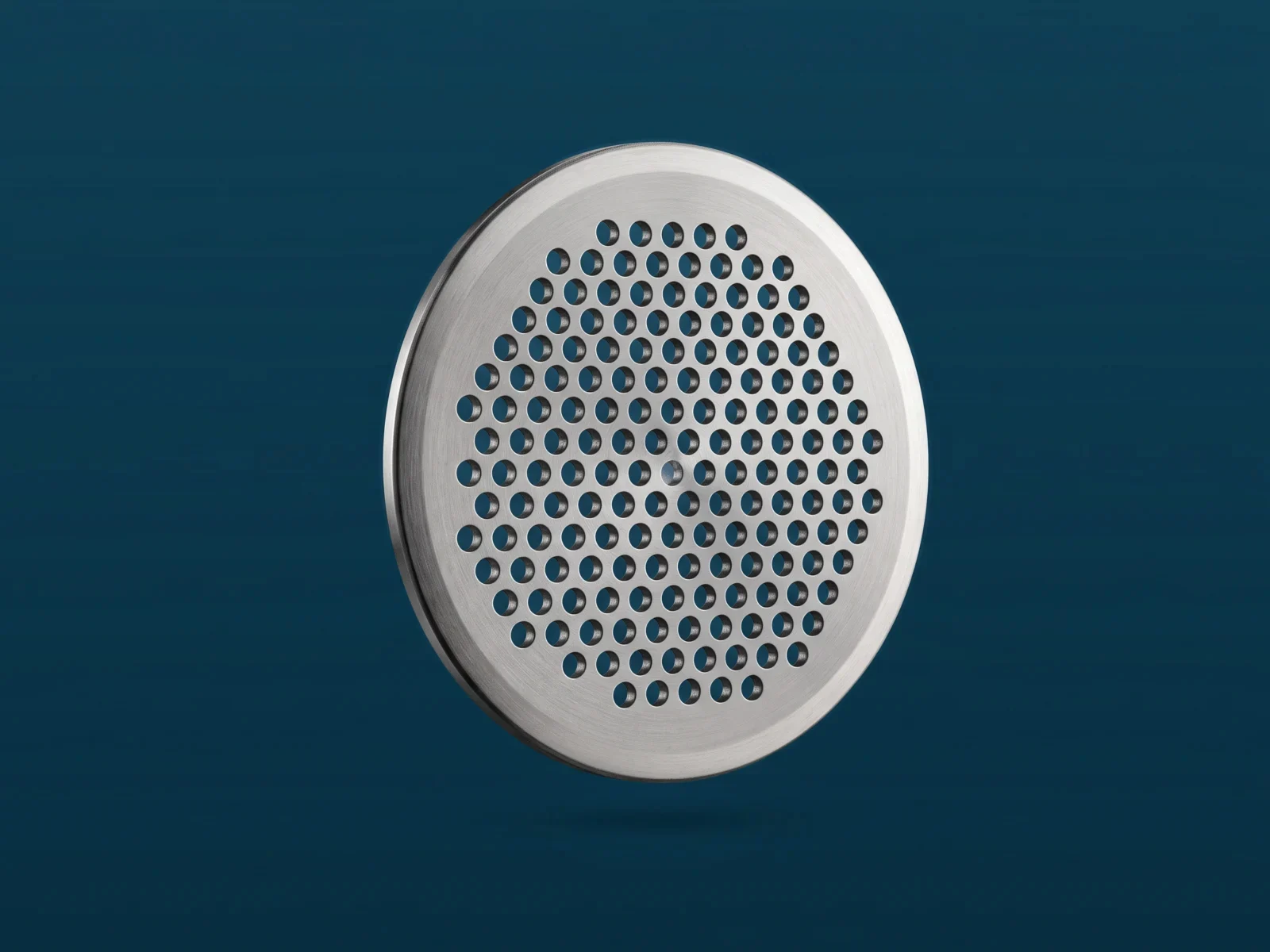
Filters, sieves and spray plates need thousands of identical small holes in thin metal. The laser drills them on the fly, hole after hole, with the same diameter across the whole part and minimal burr that could catch particles.
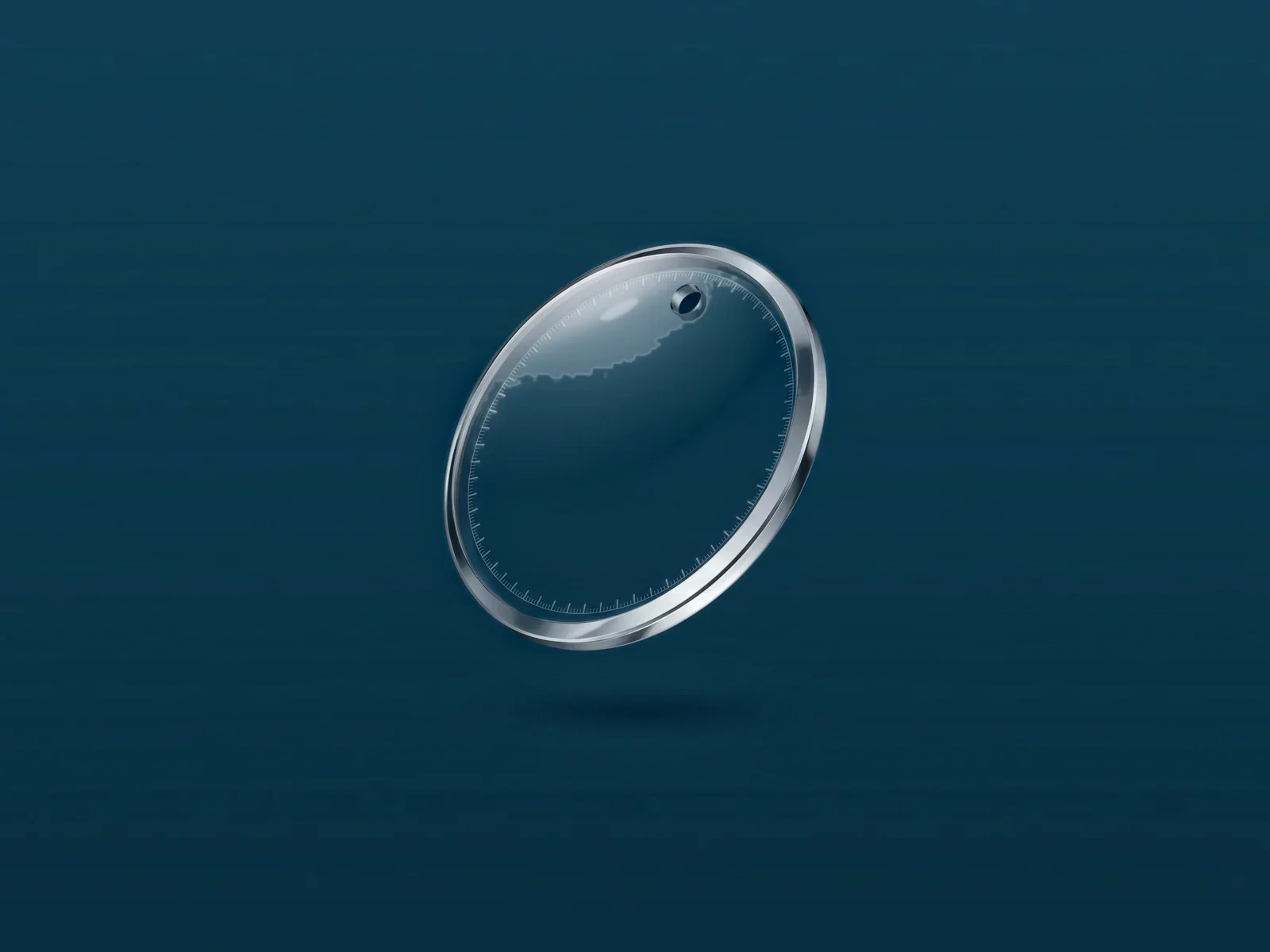
Sapphire watch crystals, alumina and zirconia parts are hard and brittle, so drills wear fast and edges chip. Femtosecond pulses cut, drill and bevel them without mechanical contact and with minimal microcracking that would weaken the part.
A femtosecond pulse is shorter than the time heat needs to travel into the metal. The material in the focus turns into vapour and plasma and leaves the surface before the area around it heats up, so there is almost no melt, recast or heat tint. At high repetition rates heat can still build up between pulses, so pulse energy, repetition rate and scan speed are set together.
How small can a laser-drilled hole be?
In thin foils, holes of about ten micrometres are common, and smaller holes are possible with tight focusing. In thicker material, the hole gets larger and its taper depends on the drilling strategy, such as percussion or trepanning.
Do laser-cut parts need deburring?
With femtosecond pulses and the right settings, cut edges and drilled holes usually have little or no burr to remove. That is why the method is used on watch parts, injector nozzles and filters, where deburring is expensive or not possible.
Which materials can be micromachined?
Stainless steel, titanium, nitinol, nickel alloys, copper, aluminium, sapphire, alumina, zirconia and many polymers. Reflective metals such as copper are processed well because at femtosecond peak intensities absorption depends far less on the reflectivity of the surface.
Can the laser texture a metal surface?
Yes. Scanning the beam across a surface writes micro- and nano-structures that change its look, wetting or friction, from decorative finishes on watch dials to water-repellent or better-bonding surfaces.
Which LITILIT laser fits micromachining?
Indylit 20 covers most drilling, cutting and structuring, with over 200 µJ per pulse for thicker material and faster removal. Indylit 10 suits fine cutting of thin watch parts and foils, where 10 W is enough.
How does buying a laser work?
Tell us your material, process and volume. An application engineer reviews your request and suggests a laser and configuration. You then receive a quotation with pricing, lead time, payment and support terms.
Tell us your material, process and volume. Our application engineers suggest a laser and configuration, and we send a quotation with pricing, lead time and support terms.