
Indylit 3
An ultra-compact femtosecond laser optimised for ophthalmology, with excellent pulse and beam quality and very low heat dissipation.
- Average power
- 2.5 W
- Pulse energy
- > 2 µJ
- Wavelength
- 1030 nm
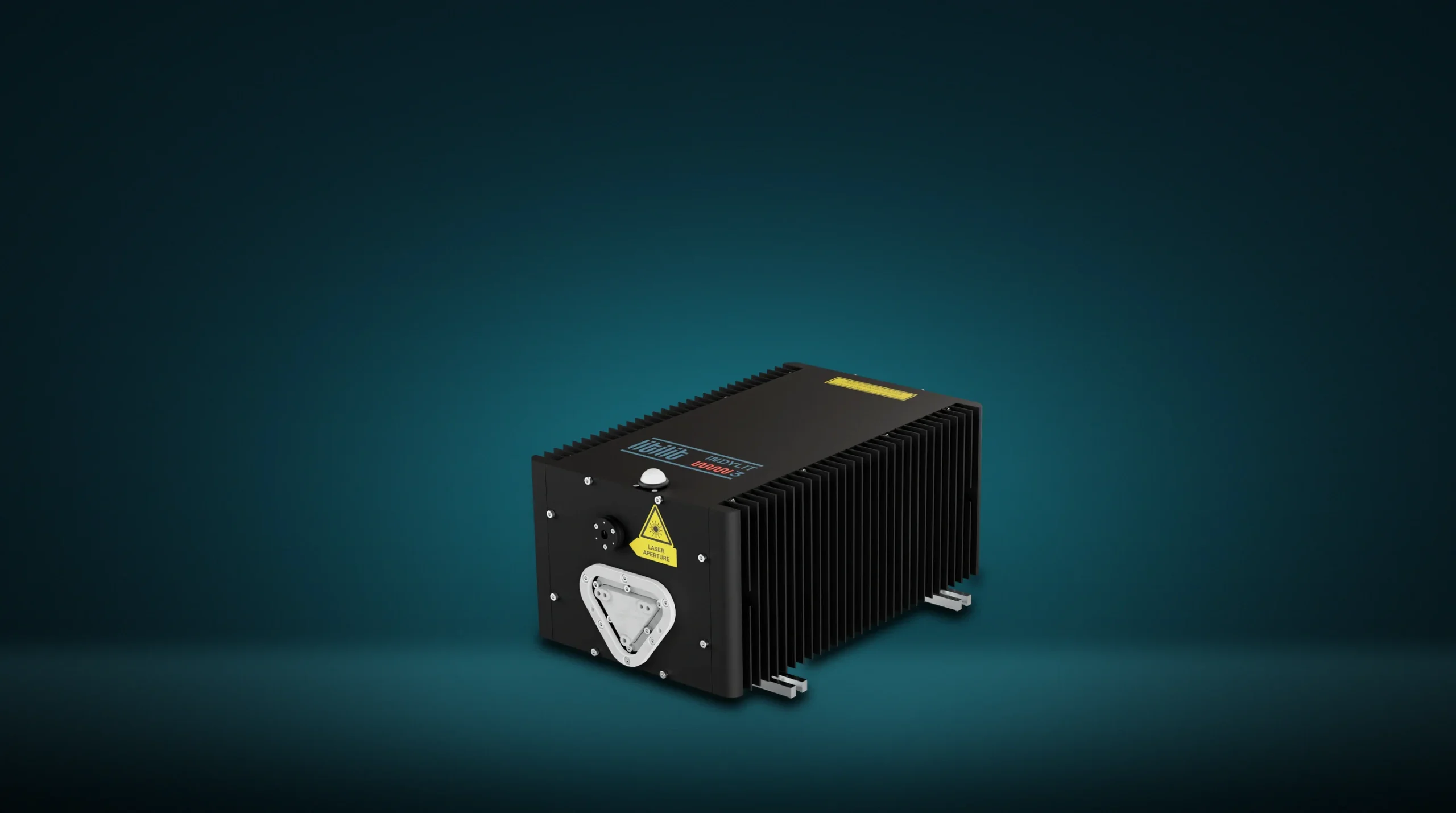
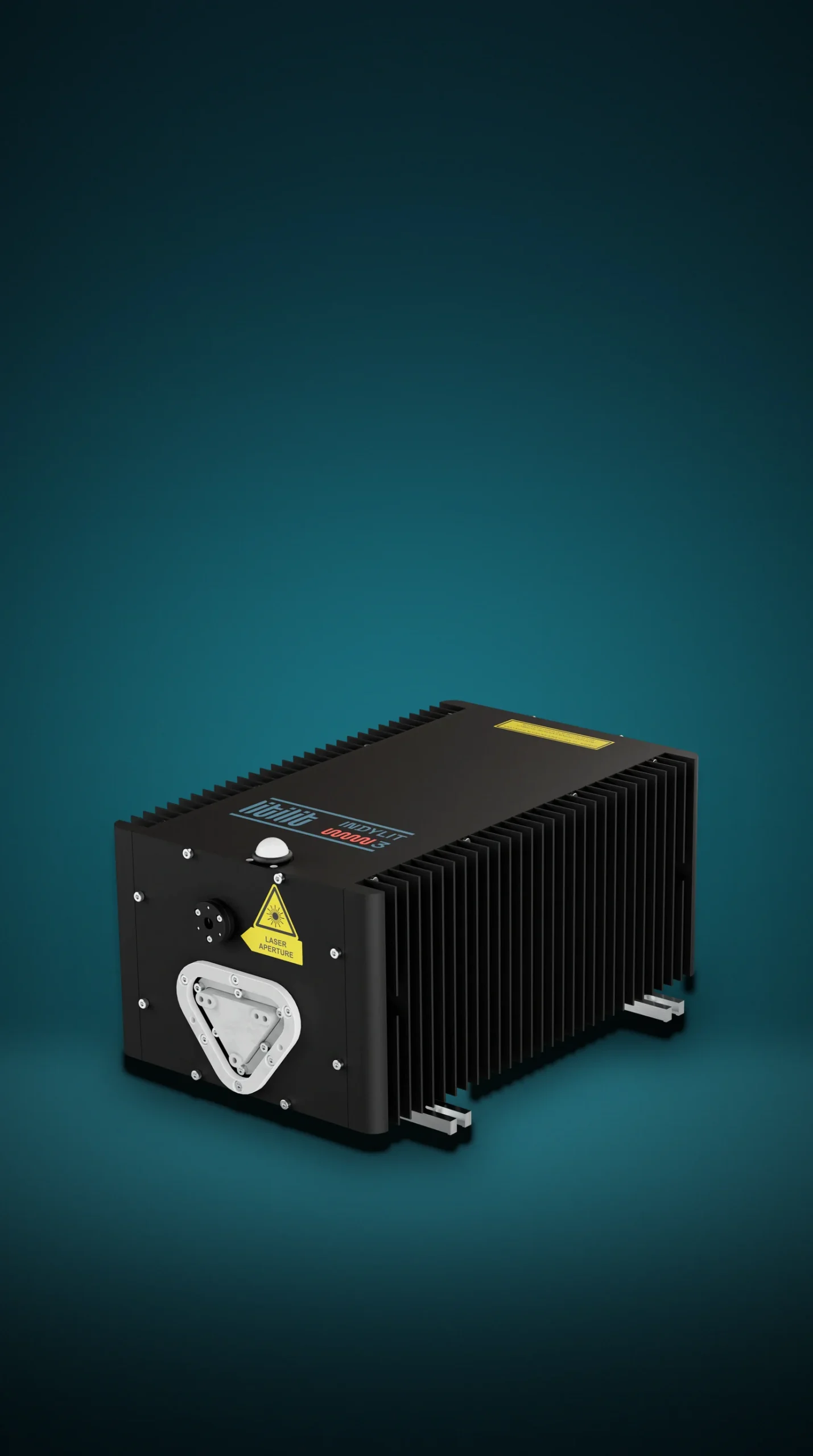
Get to know Indylit 3.
Power
2.5 W at 1030 nm.
Pulses
< 290 fs
Pulse duration, at 1-3 MHz.
Made for
Ultracompact laser for ophthalmology.
Photos. Indylit 3 from every side.
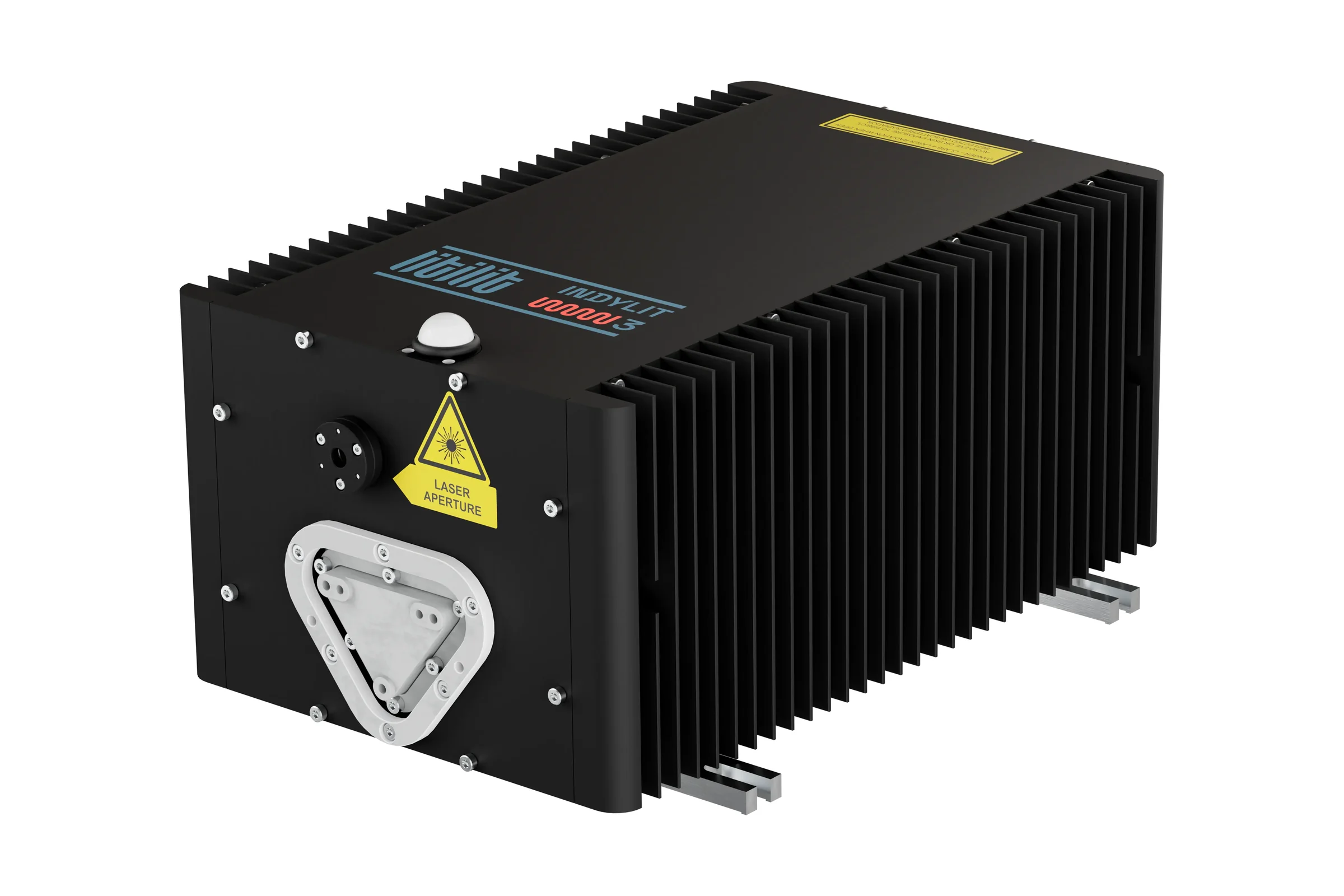
Indylit 3 ultracompact femtosecond laser head, three-quarter front view
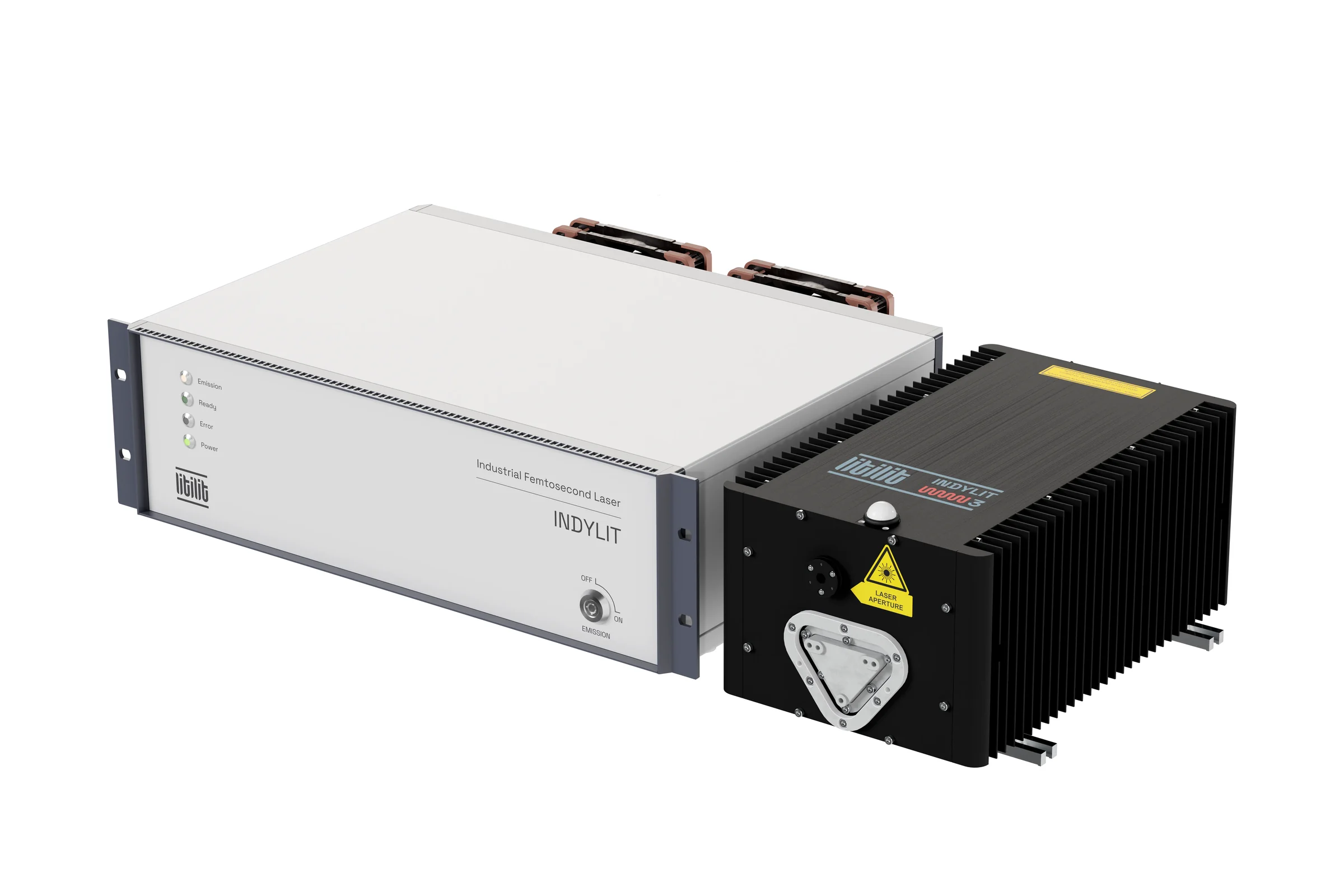
Indylit 3 laser head beside its control unit
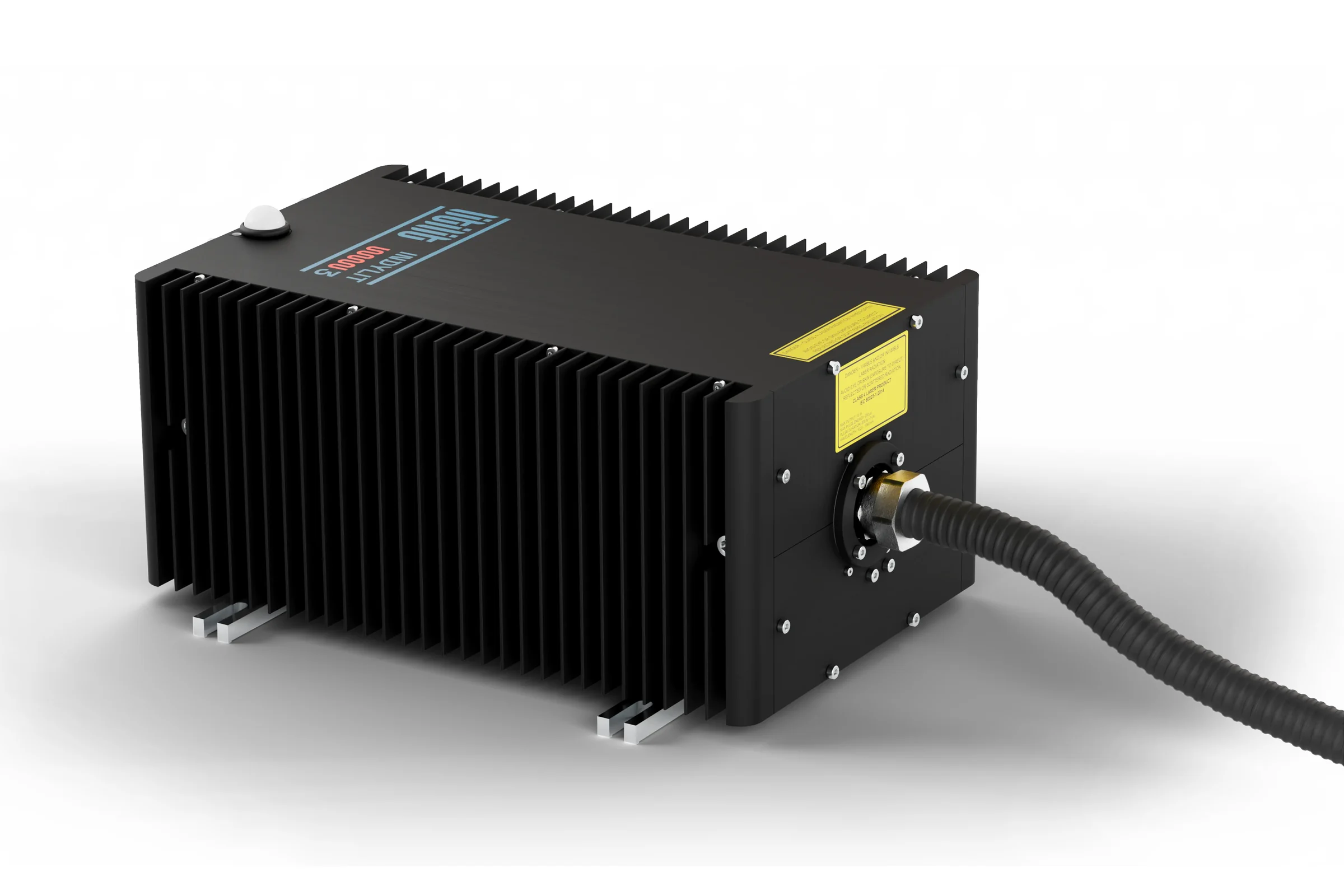
Indylit 3 laser head from the rear with the umbilical attached
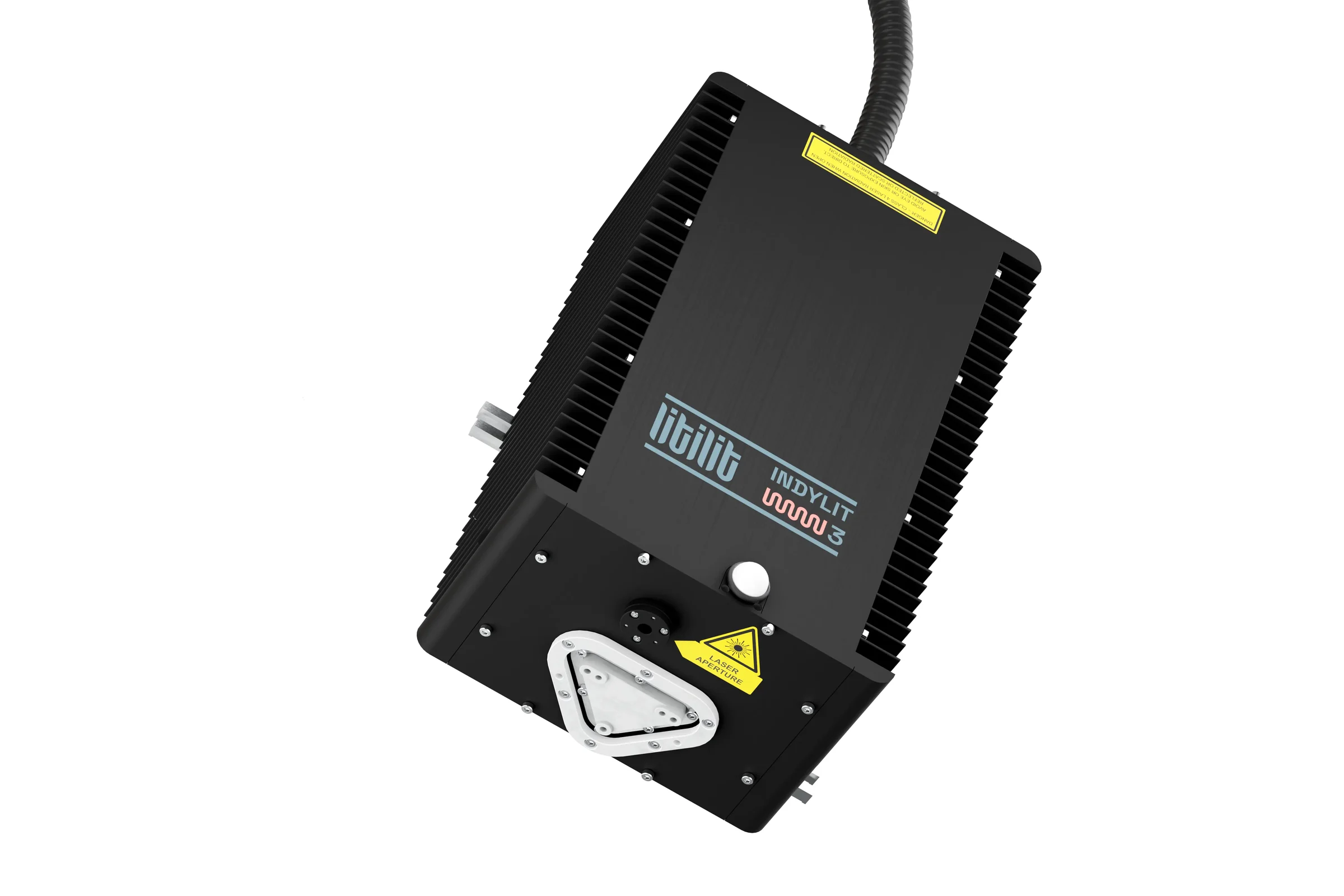
Indylit 3 laser head standing on end, front panel and laser aperture
Technical specifications.
From the Indylit 3 datasheet. Numbered notes are in the Notes tab.
- Central wavelength
- 1030 ± 3 nm
- Average power1
- > 2.5 W @ 3 MHz (typ. 3 W)
- Max. pulse energy1
- > 2 µJ @ 1MHz > 0.8 µJ @ 3MHz
- Pulse duration
- < 290 fs
- Pulse duration tunability
- 290 fs – 4 ps
- Internal pulse repetition rate
- 1-3 MHz down to 300 kHz in burst mode
- Pulse picker
- Integrated
- Triggering mode
- Pulse picker control via TTL signal (gate or trigger mode)
- Burst length
- 1...12 pulses
- Max. energy in burst
- > 10 µJ @ 300 kHz
- Power attenuation2
- 100 – 1%
- Beam quality
- M² < 1.2
- Beam circularity3
- > 0.90
- Beam diameter (at 1/e² level)
- 1.5 ± 0.2 mm
- Polarisation
- Linear horizontal, > 500:1 extinction
- Prepulse contrast
- > 1:1000
- Post pulse contrast
- > 1:100
- Beam divergence (full angle)
- < 1.5 mrad
- Beam pointing (RMS)4
- < 20 µrad
- Beam pointing vs temp.
- < 15 µrad/°C
- Power Stability (RMS)5
- < 1%
- Pulse Energy Stability (RMS)6
- < 1%
- Warm-up time (cold start)
- < 10 min
- Warm-up time (warm start)
- < 3 min
- Laser control interface
- CAN, USB
- Operating voltage
- 24V, 15A (100...240 V AC, 47...63 Hz to 24V AC/DC converter included)
- Average power consumption (after warm-up)
- 100 W
- Maximum power rating
- 300 W
- Operating temperature
- 18 – 32 °C
- Humidity
- non condensing
- Transportation/storage temperature
- -20 – +70 °C
- Dimensions – Laser head (L × W × H)
- 301 × 189 × 156 mm
- Dimensions – Control unit (L × W × H)
- 449 × 385 × 140 mm
- Dimensions – AC/DC converter (L × W × H)
- 250 × 125 × 60 mm
- Umbilical length
- 3 ± 0.2 m
- Cooling – Laser head
- air (passive)
- Cooling – Control unit
- forced air (fans)
- Laser power is approximately constant over the 1–3 MHz operating range. Pulse energy is therefore inversely proportional to the repetition rate.
- Attenuation can be controlled by a few different methods: a) by PC user interface, b) by CAN register, c) by analog input (0-1V, rise time <1μs). Beam quality specifications are maintained down to 10% power level.
- Defined as the worst case ellipticity along the z-scan (± 5 xLRayleigh) of the beam.
- Measured during 8h operation starting 30 minutes after cold start. Environmental temperature stability within ± 1°C.
- Measured with integration time of 1s at the same conditions as (4).
- Measured within 10s time interval for at least 1000 pulses.
- Technology is protected by international patents: LT6261 (B); JP6276471 (B2); US10038297 (B2); EP3178137; DK3178137 (T3); CN106575849 (B); PL3178137 (T3); LT6639 (B); LT2020 563. For details please contact LITILIT. The patented technology was developed together with FTMC (Center for Physical Sciences and Technology).
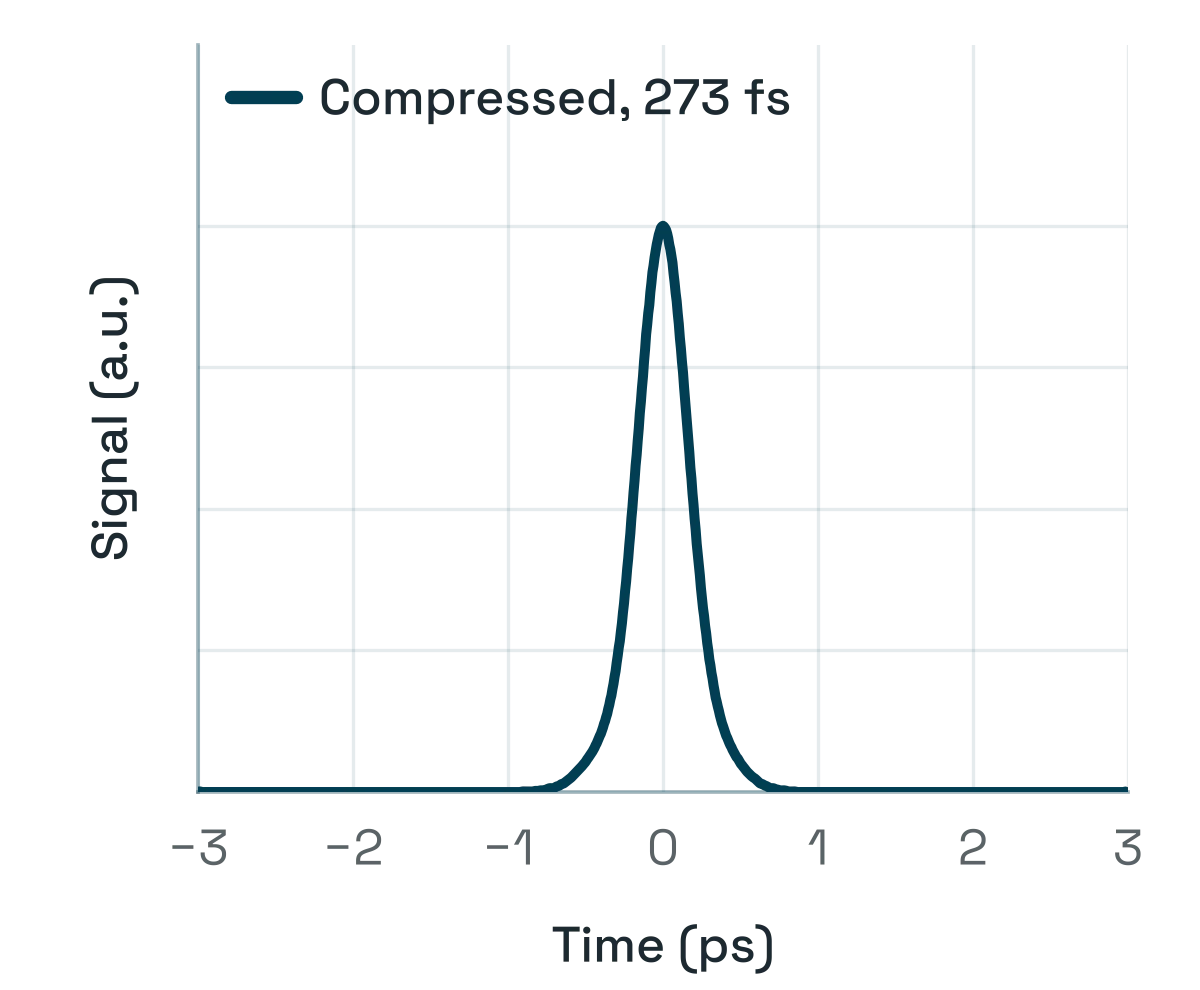
Pulse autocorrelation traces of optimally compressed pulses
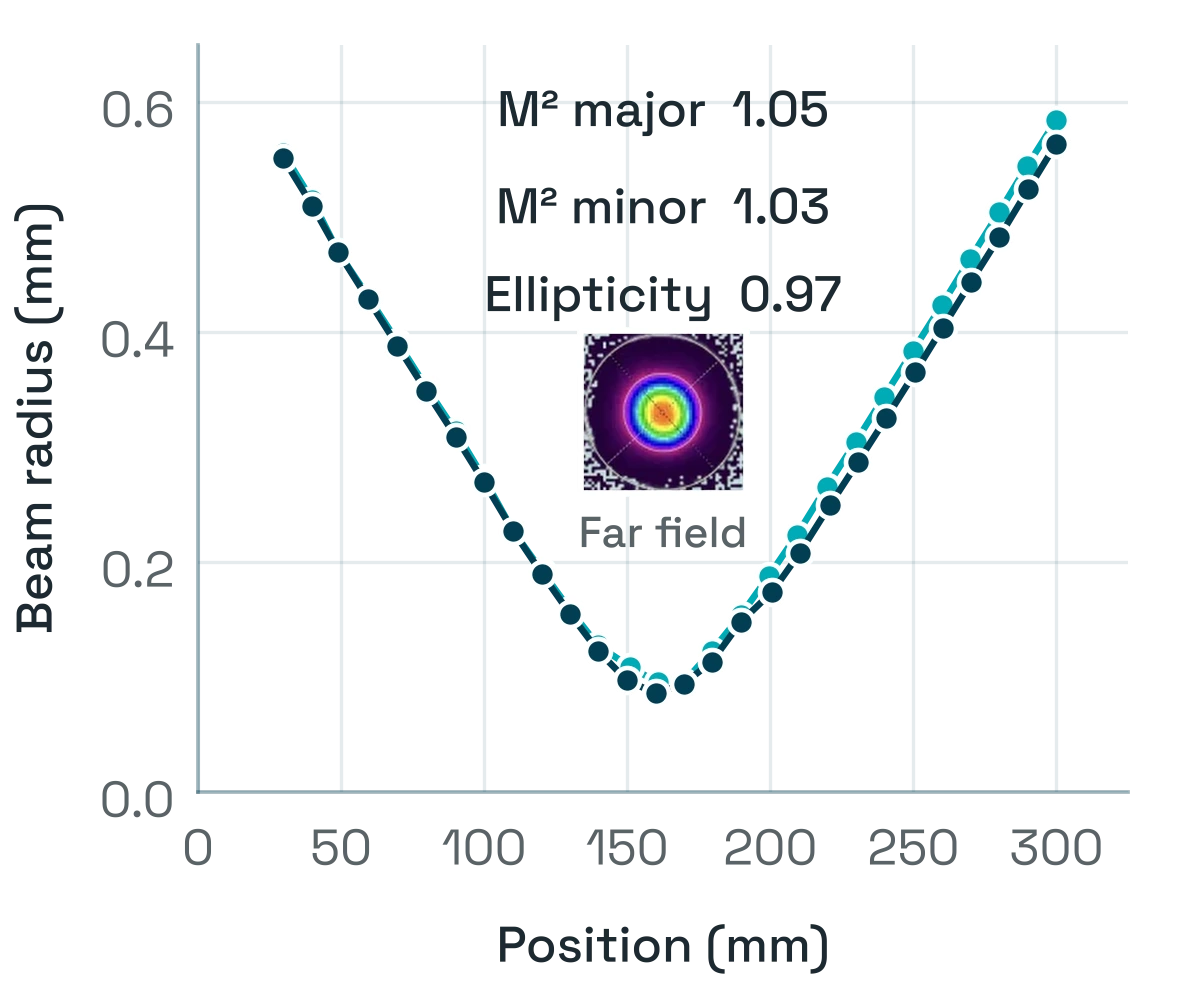
Beam z-scan measurement and beam profile in far field
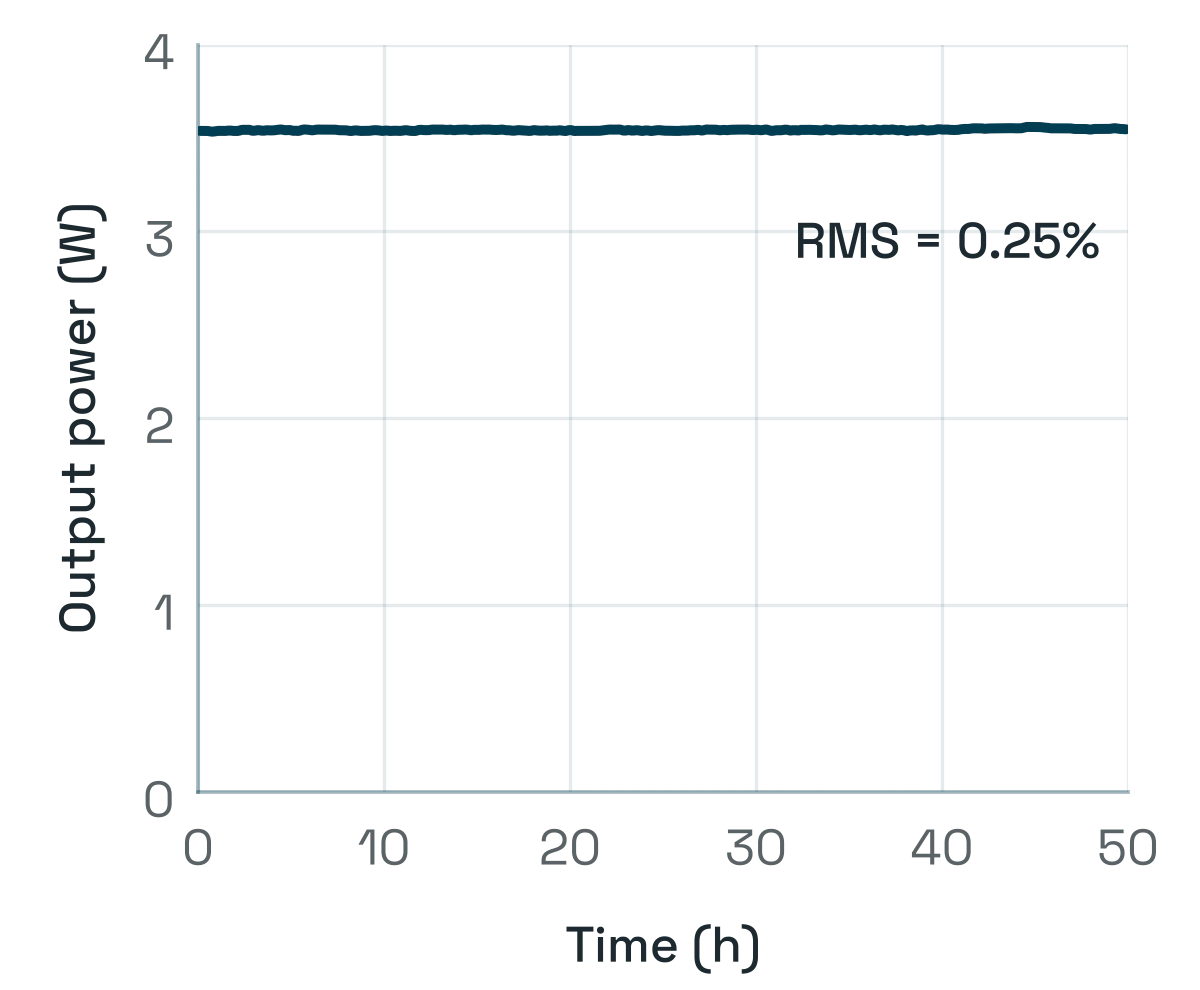
Long term output power stability
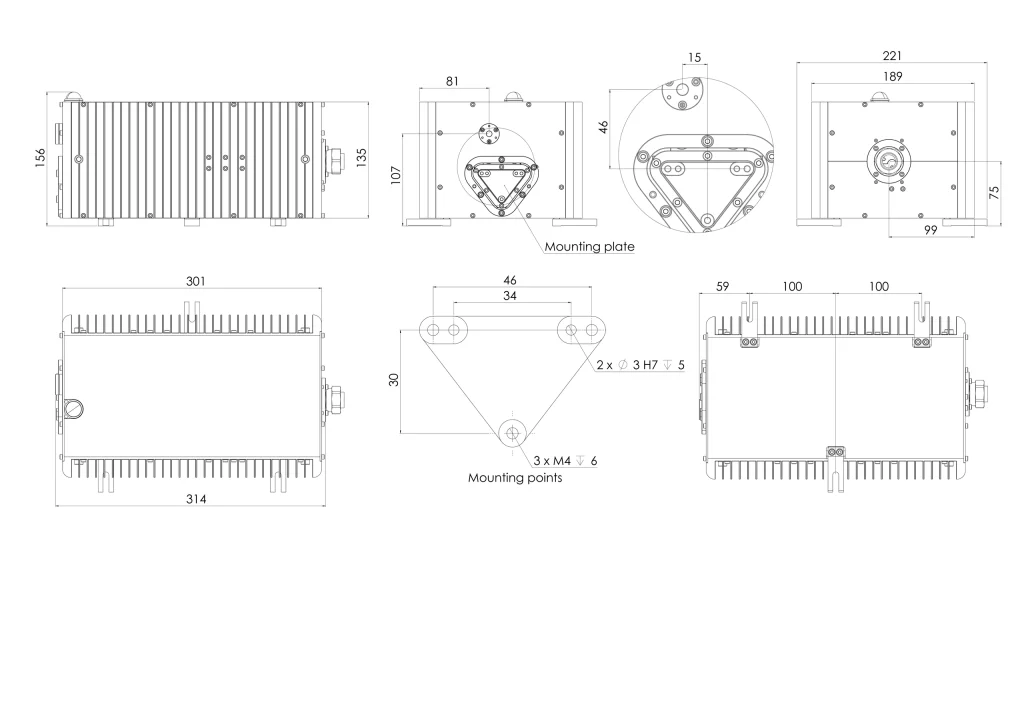
Drawing of Indylit 3 laser head (in mm)
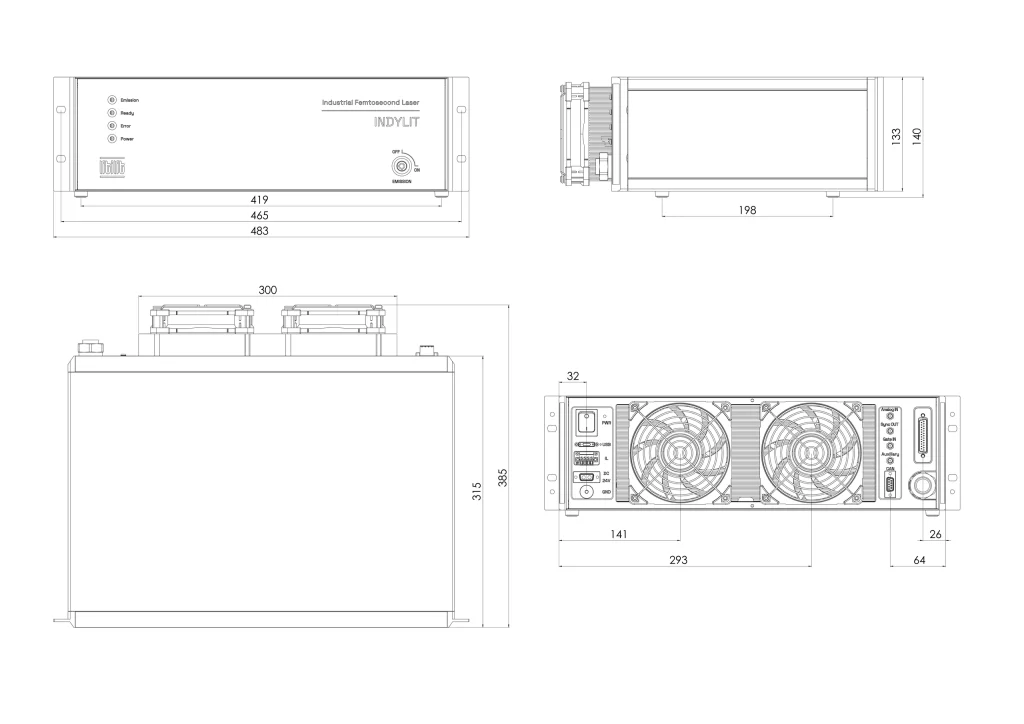
Drawing of Indylit 3 laser control unit (in mm)
Where Indylit 3 is used.
Each application page walks through the problem, the process and the laser that fits it.
Discuss your application with an engineer.
Tell us the material, the part and the result you need. A LITILIT engineer replies by email.