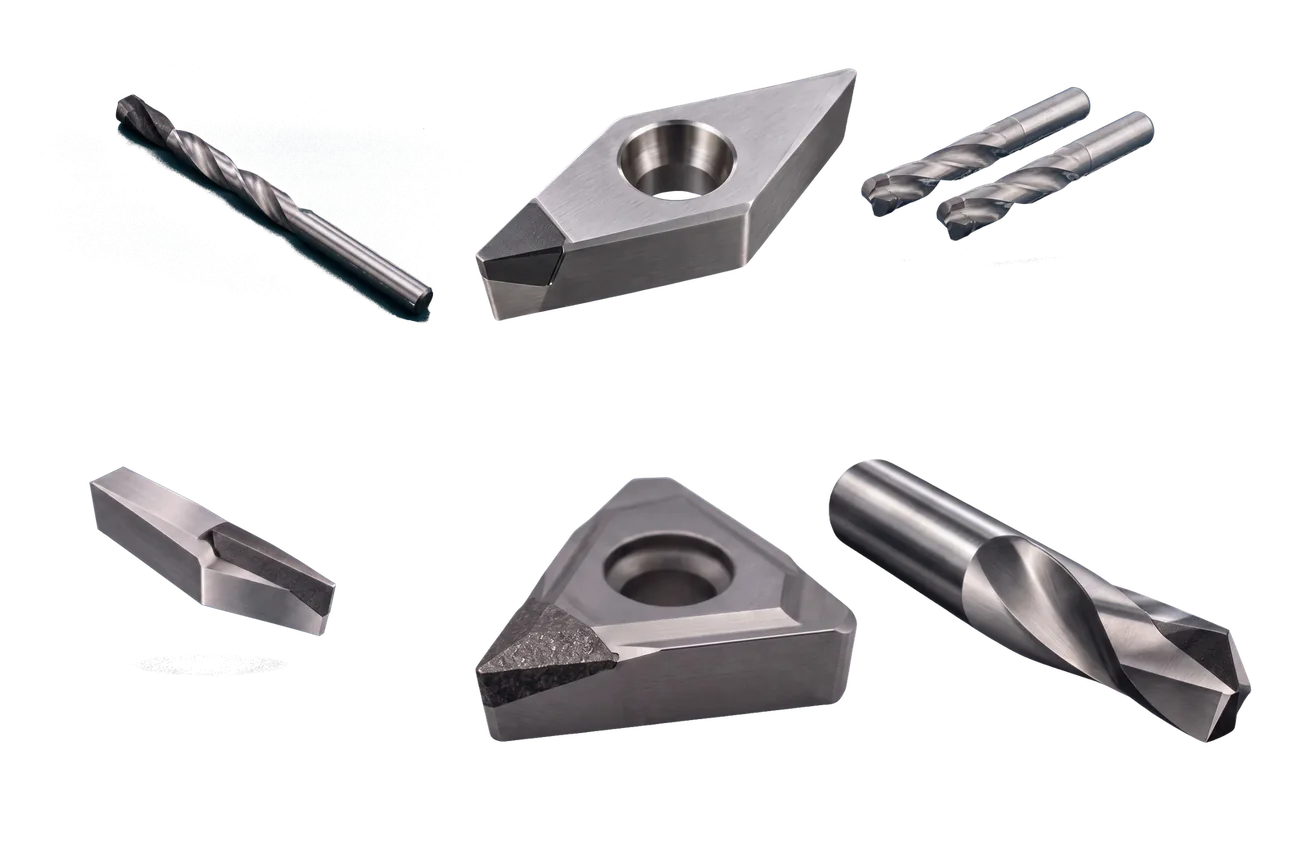
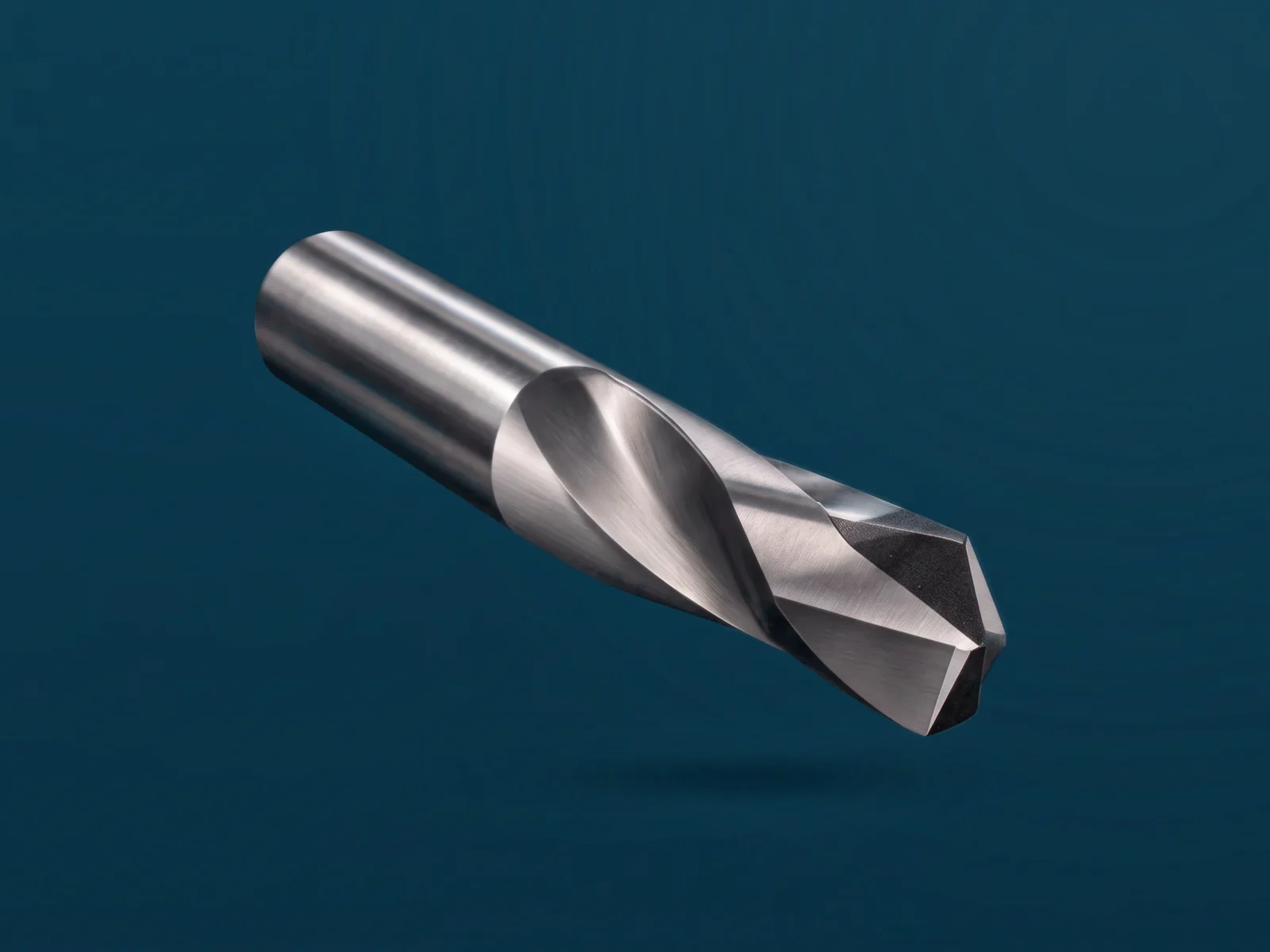
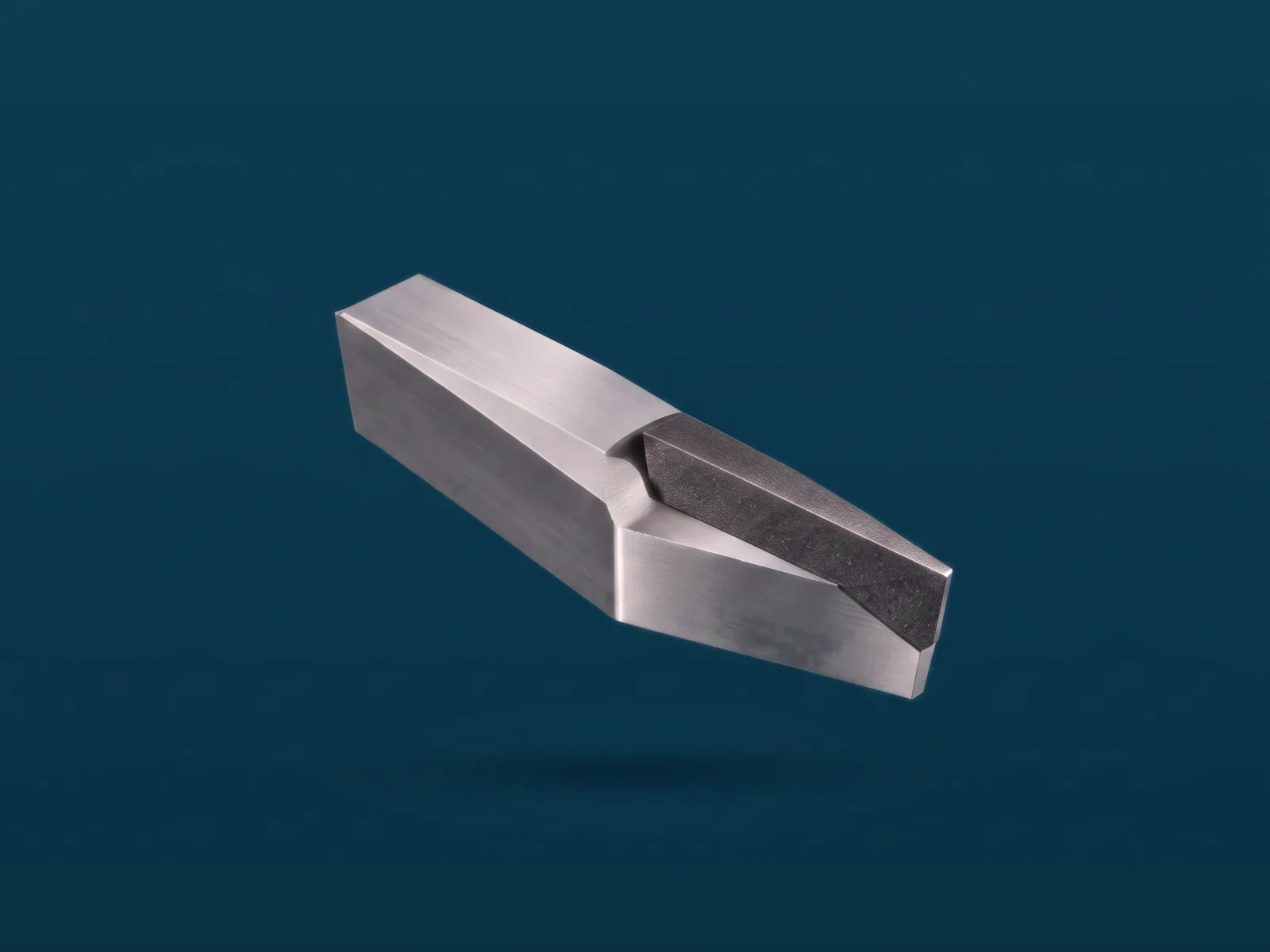
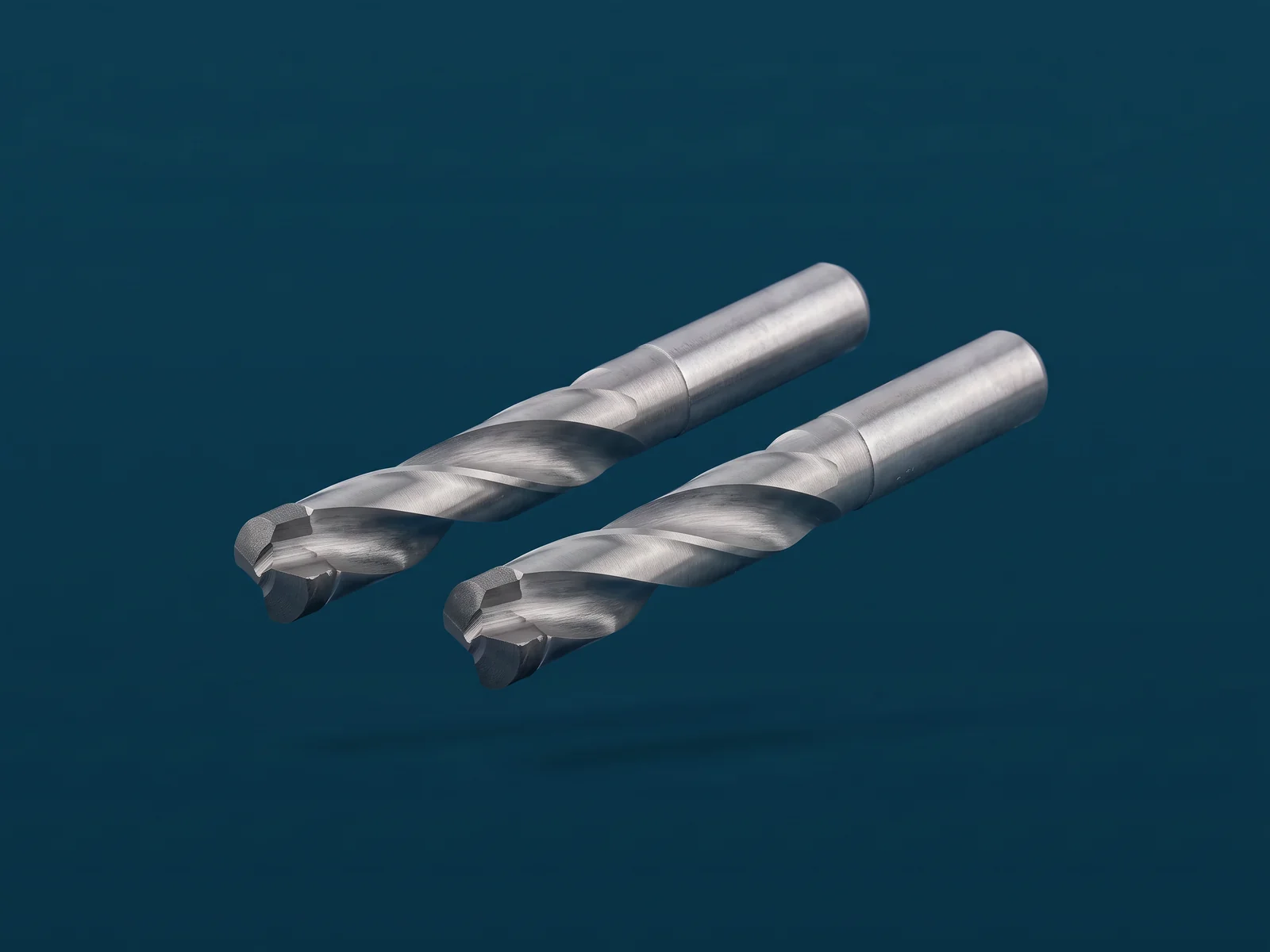
Cutting, profiling and sharpening polycrystalline diamond, CBN and carbide tools. Femtosecond pulses remove diamond in thin layers with minimal graphitisation, so edges come out sharp, with minimal chipping.
Where femtosecond processing works on cutting tools, from PCD inserts and drills to brazed tips and micro tools.
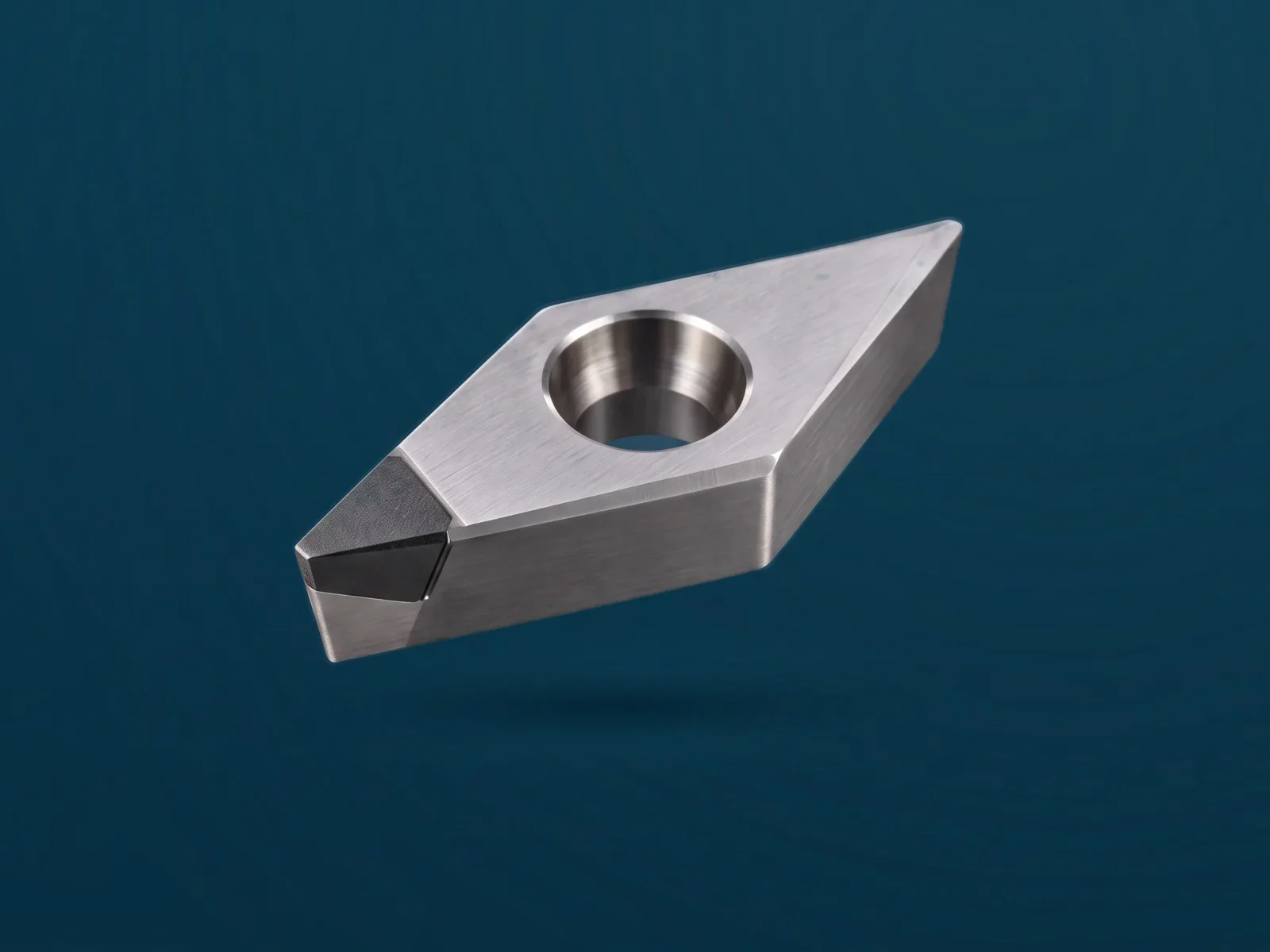
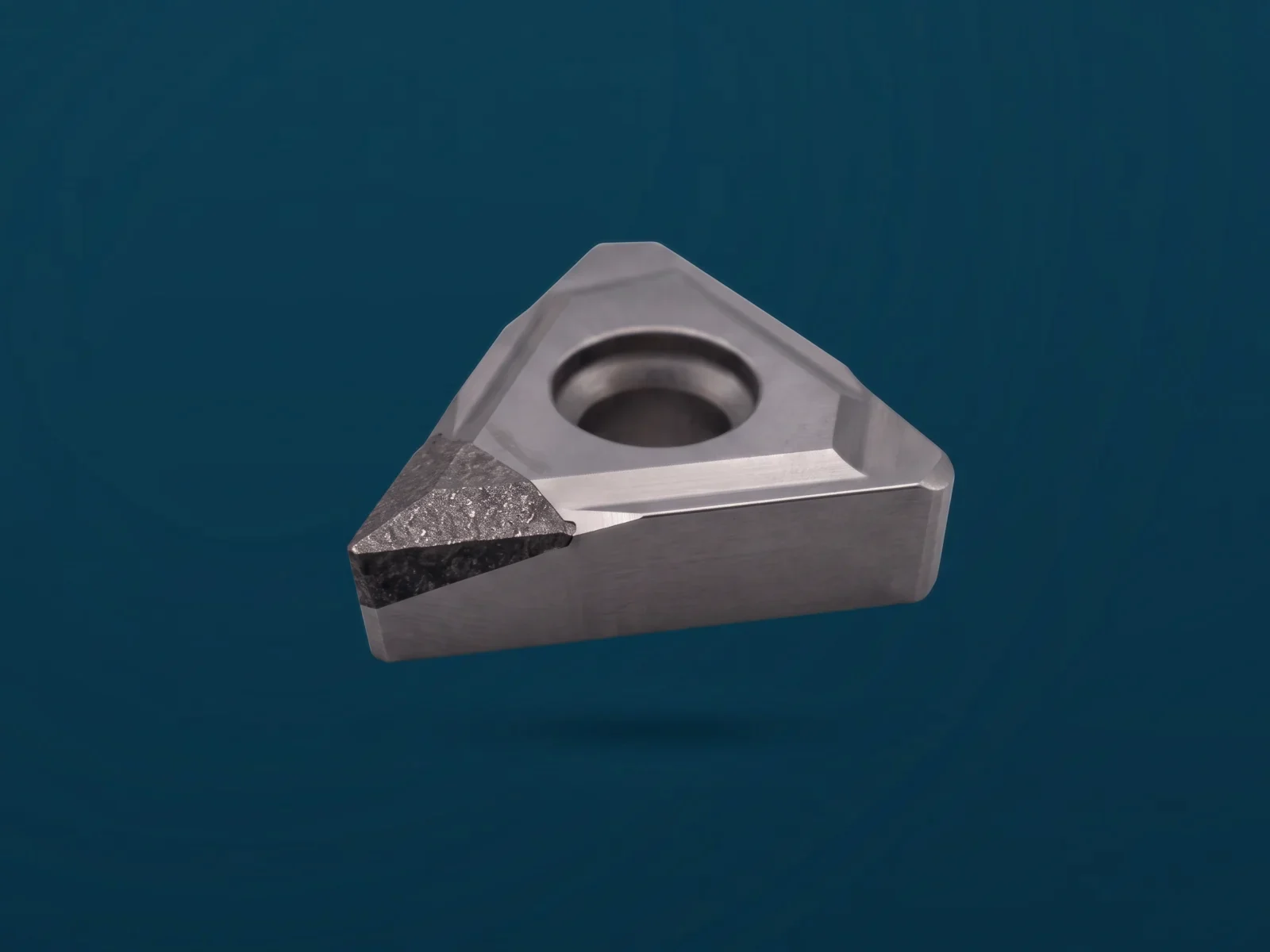
PCD cutting inserts
EDM profiling of polycrystalline diamond inserts is slow and leaves a recast layer at the edge. The femtosecond beam profiles the cutting edge directly, with pulses short enough to keep graphitisation to a minimum.
Cutting-edge sharpness on diamond and cubic boron nitride tooling determines surface finish downstream. The laser sharpens and chamfers the edge in one setup, holding a tight, repeatable edge radius across a batch.
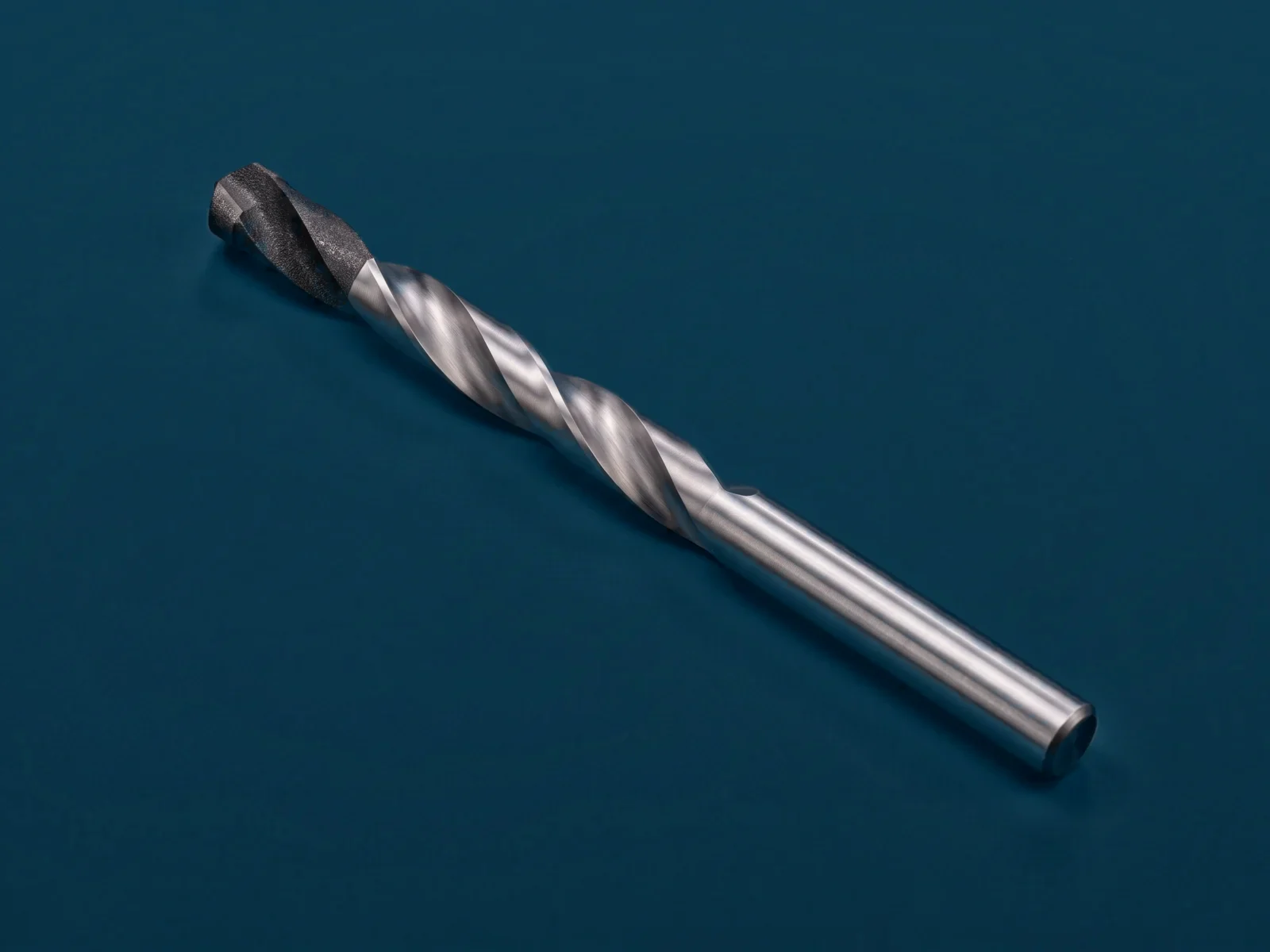
Flutes and relief angles on a diamond drill blank need to hold geometry across the full tool length. The beam cuts the flute profile with far less of the micro-chipping that mechanical grinding leaves on a diamond edge.
Diamond is the hardest tool material. Shaping it should not damage it.
PCD and CBN are hard enough to wear out grinding wheels and brittle enough to chip under them. Each tool type needs its own setup, and every damaged edge shortens tool life.
Hard to shape, easy to damage
Grinding PCD is slow and wears the wheel. Wire EDM depends on the binder and leaves a recast layer. Longer laser pulses heat the diamond, which graphitises the edge and shortens tool life.
What the process needs
Sharp cutting edges with minimal chipping
Minimal graphitisation and heat-affected zone
Chip breakers and 3D geometries in one setup
Repeatable results across tool batches
Cold ablation, layer by layer
Femtosecond pulses remove diamond and binder in thin layers faster than heat can spread. A five-axis machine guides the beam along the edge to cut, shape and sharpen the tool without touching it.
Tool re-sharpening
A worn diamond or hard-metal edge can be re-sharpened instead of scrapped. The laser removes only the worn material and restores the cutting geometry, with far less of the micro-cracking that a grinding wheel leaves on diamond.
Material
Diamond and hard-metal tooling
Process
Edge re-sharpening without grinding-induced micro-cracks
Reamers, milling cutters and form tools carry brazed PCD tips that have to be profiled and sharpened after brazing. The laser cuts the tip contour, clearance angles and chip breakers in one setup on the finished tool, without wheel wear and without the limits of wire EDM.
Micro-drills, end mills and engraving tools below one millimetre in diameter break easily under a grinding wheel. The laser shapes cutting edges, point geometry and flutes on carbide and diamond-coated micro tools without any contact force.
Fits on five-axis tool machines where space around the workpiece is tight.
Passive air cooling
No chiller beside the machine and nothing to drain or refill on the shop floor.
Robust in the workshop
A compact, rugged build made for workshop floors, with no chiller or water lines to protect.
Simple integration
Standard interfaces connect to the tool machine's CNC without extra hardware.
PCD tool machining methods compared.
Diamond and CBN tools can be shaped in several ways. The method decides how sharp the edge gets, how long the tool lasts and how much time each tool takes.
Diamond grinding
Fine finish; slow on PCD, high wheel wear, contact force on the edge
Wire and die-sink EDM
Works on conductive PCD; slow, limited by binder content and geometry
Nanosecond laser
Fast removal; heat-affected zone and graphitised layer on the edge
Femtosecond laser
Contact-free, sharp edges with minimal graphitisation; chip breakers and 3D shapes in one setup
The laser for tool manufacturing.
Pulse energy for thick PCD layers and short pulses that keep graphitisation of the edge to a minimum.
PCD is diamond grains in a metal binder. Heat turns diamond into graphite at the edge, which makes it blunt and weak. A femtosecond pulse removes material before heat can spread, so graphitisation at the edge is kept to a minimum.
What is graphitisation and why does it matter?
When diamond gets hot enough it turns into graphite, a soft form of carbon. A graphitised layer on a cutting edge wears quickly and gives a poor surface finish on the part. Avoiding it is the main reason to use short pulses on diamond tools.
Can the laser replace grinding and EDM?
For many PCD and CBN tools, largely: contour, clearance angles, chip breakers and the final edge can all be made by the laser. Some shops keep grinding for carbide bodies and use the laser for the diamond tip, where it gains the most.
Which tool materials can be processed?
Polycrystalline diamond, CVD diamond, cubic boron nitride and tungsten carbide, including coated carbide. Each material needs its own pulse energy and scan strategy, which are set once per tool type.
Can worn tools be re-sharpened with a laser?
Yes. The laser removes only the worn zone and restores the edge geometry without the forces that can crack a used diamond edge, so expensive tools can be reconditioned several times.
Which LITILIT laser fits tool manufacturing?
Indylit 20 suits most tool work: over 200 µJ per pulse for fast removal on thick PCD and a compact, passively air-cooled head that fits five-axis tool machines.
How does buying a laser work?
Tell us your material, process and volume. An application engineer reviews your request and suggests a laser and configuration. You then receive a quotation with pricing, lead time, payment and support terms.
Tell us your material, process and volume. Our application engineers suggest a laser and configuration, and we send a quotation with pricing, lead time and support terms.