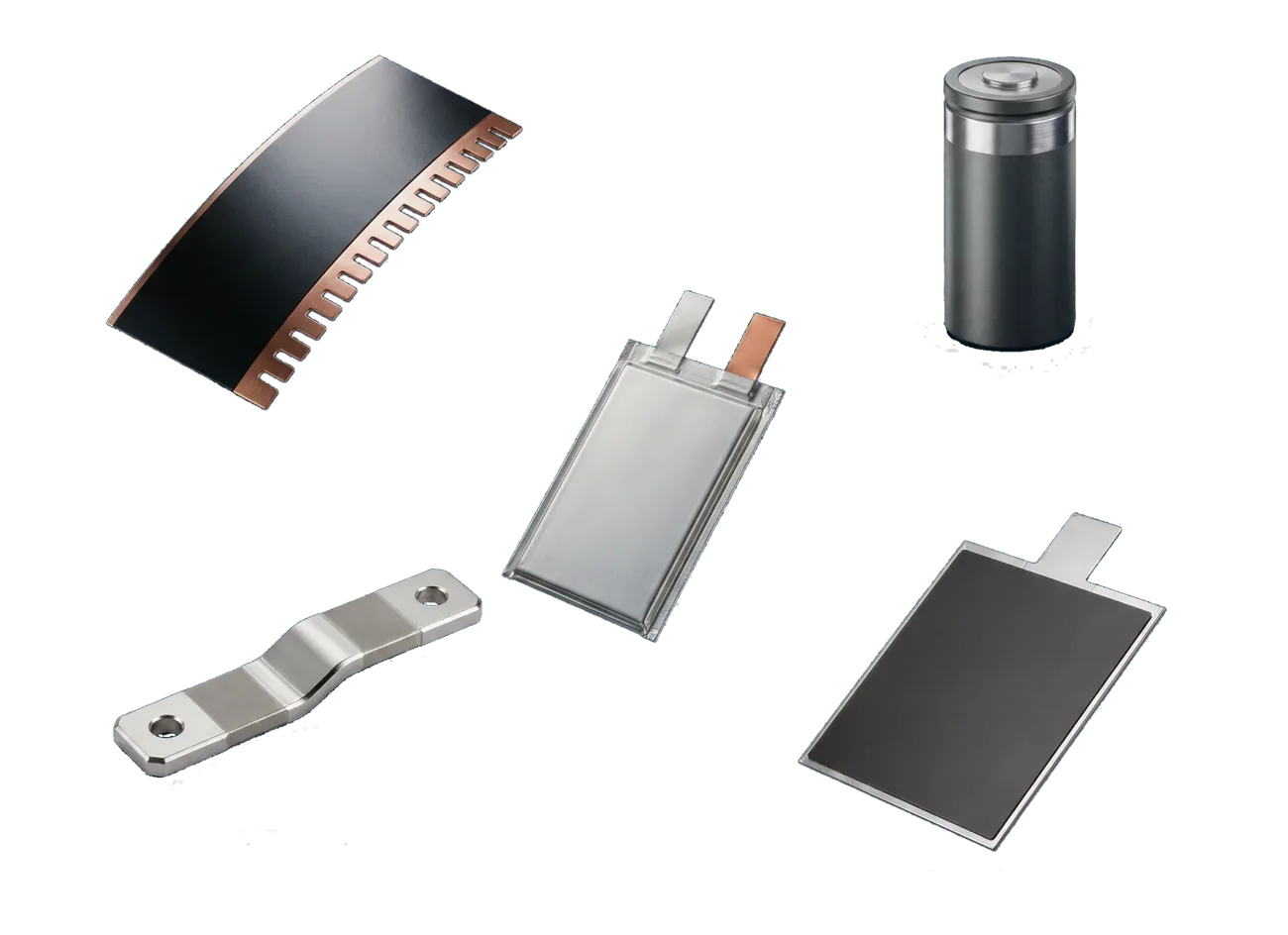
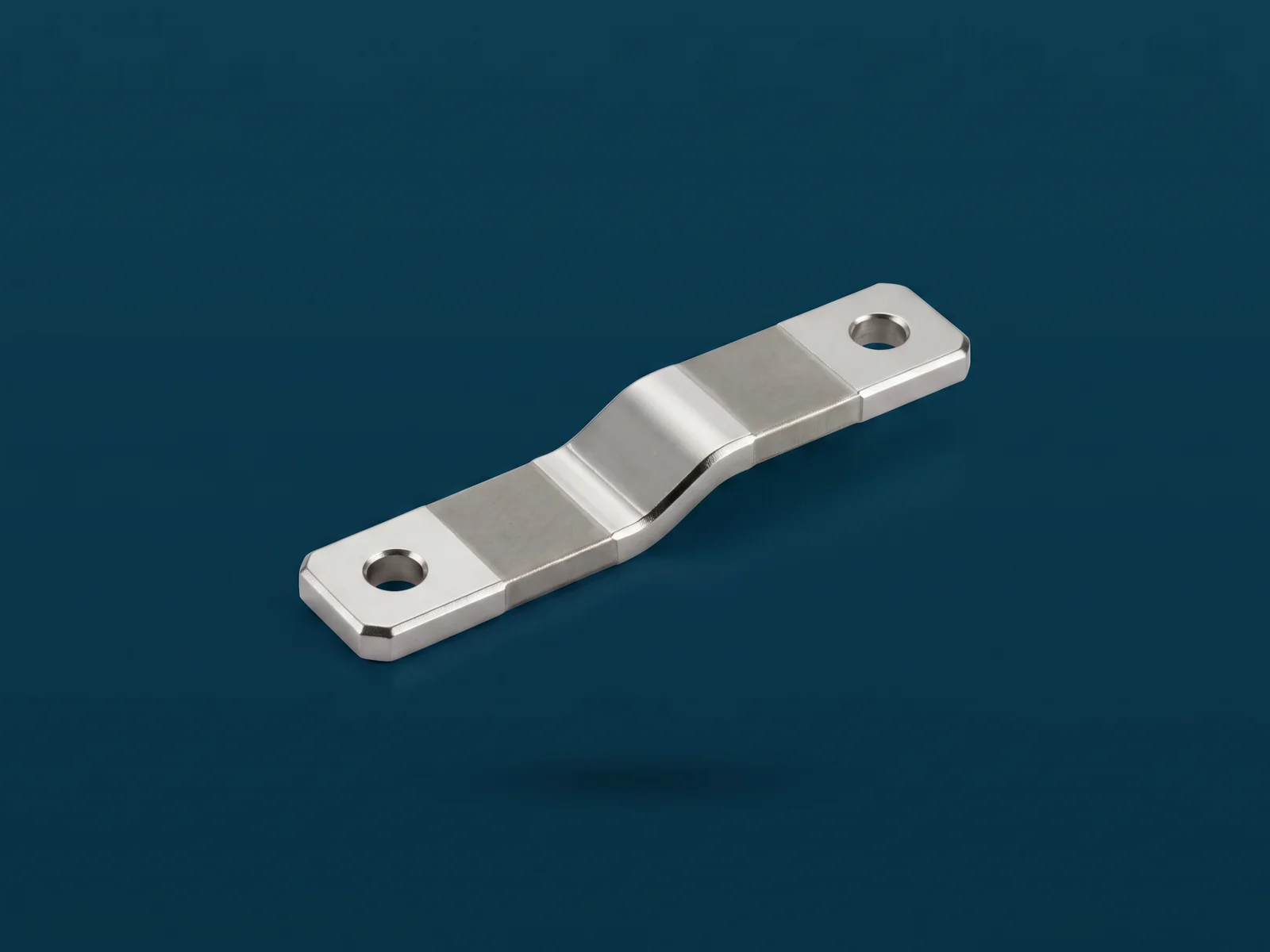
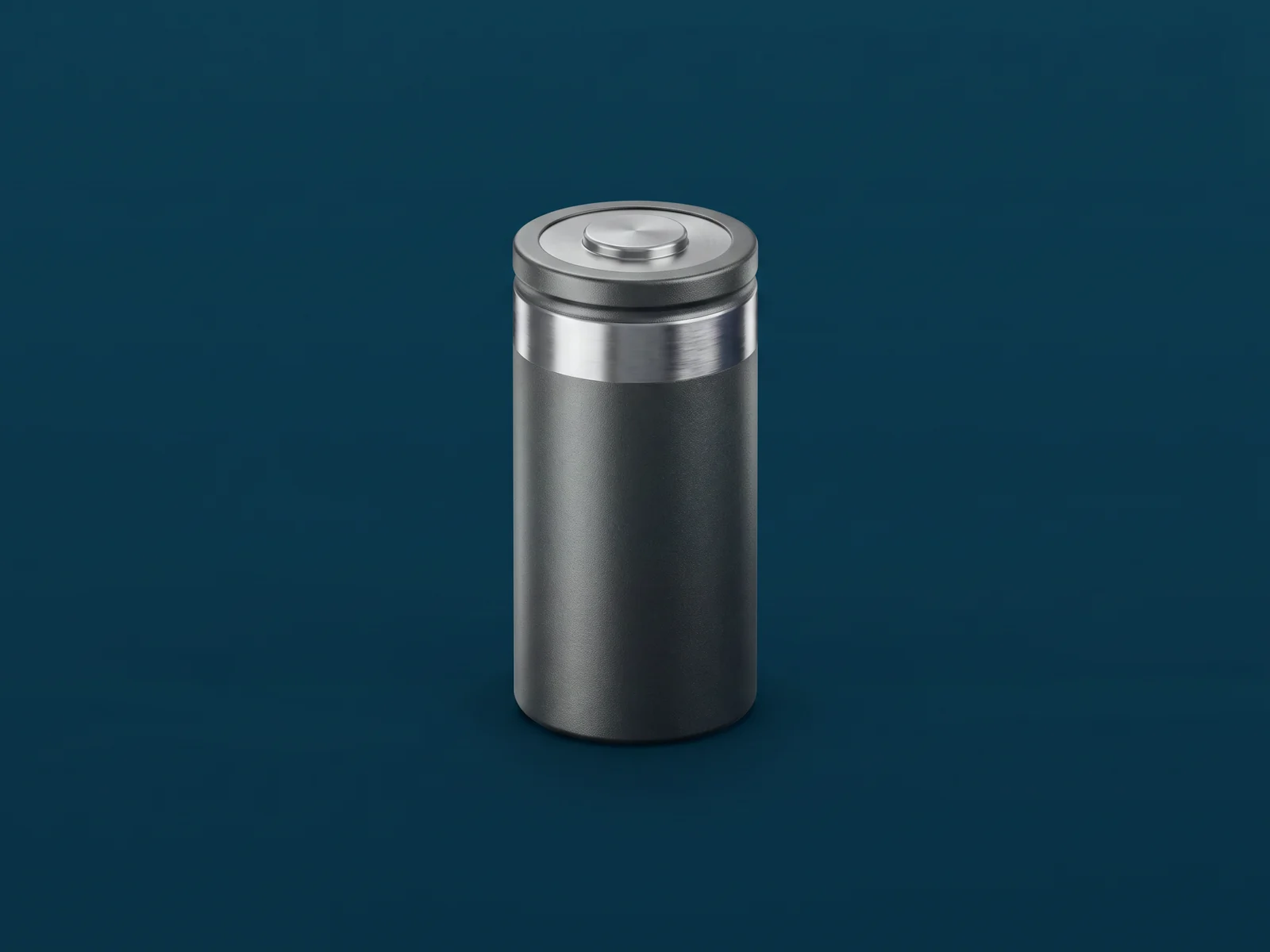
Electrode and foil cutting, tab notching, separator cutting, electrode structuring and cleaning before welding. Femtosecond pulses cut thin foils and coatings with minimal burrs, melt beads or delamination, any of which can short a cell.
Where femtosecond processing works in battery production, from electrode structuring and foil cutting to tab notching, separators, busbars and cell housings.
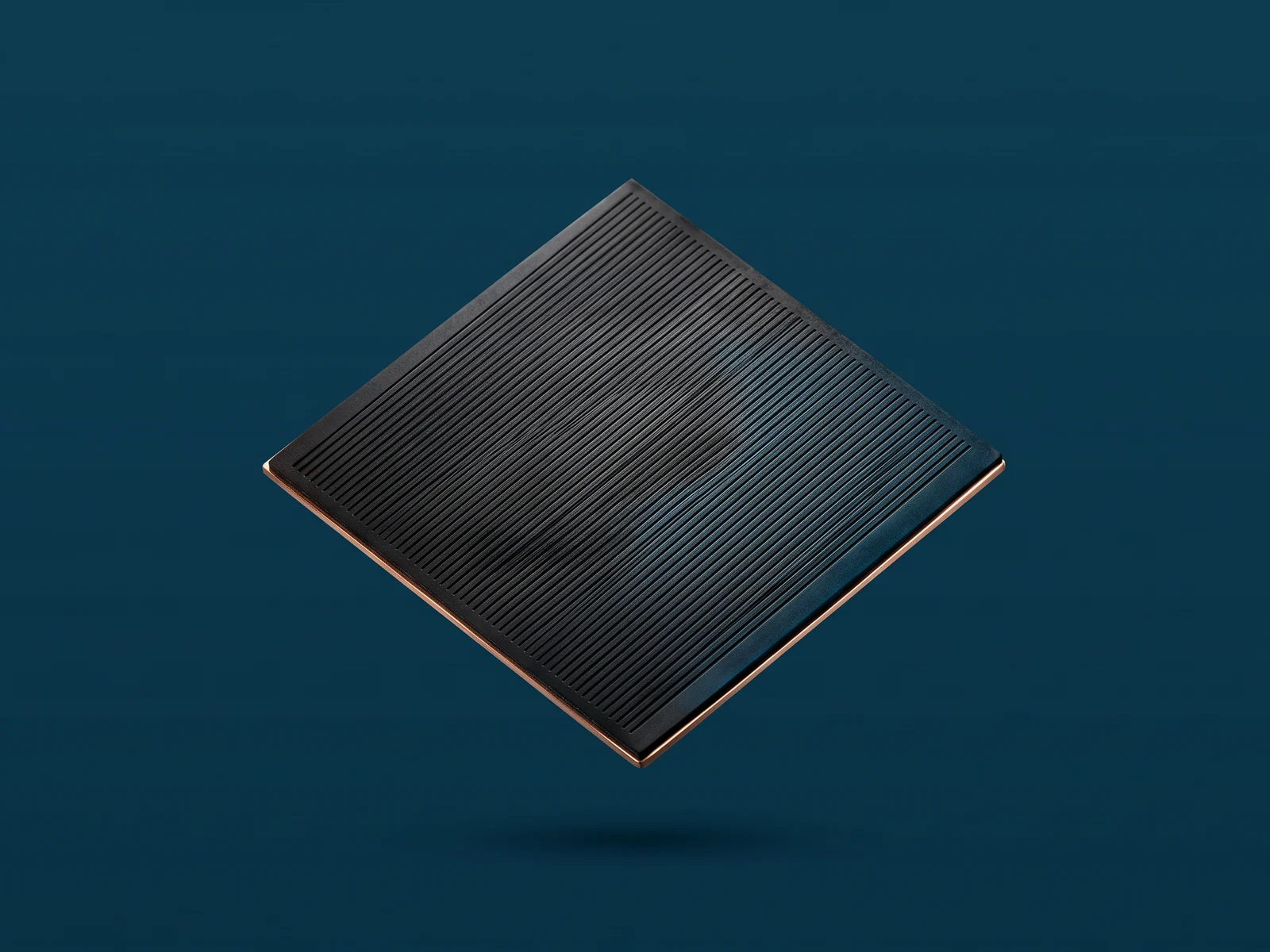
Electrode structuring
Fine channels or holes written into thick electrode coatings shorten the path for ions and electrolyte. Structured electrodes are studied for faster charging and better wetting. Femtosecond ablation removes coating precisely with minimal damage to the current collector underneath.
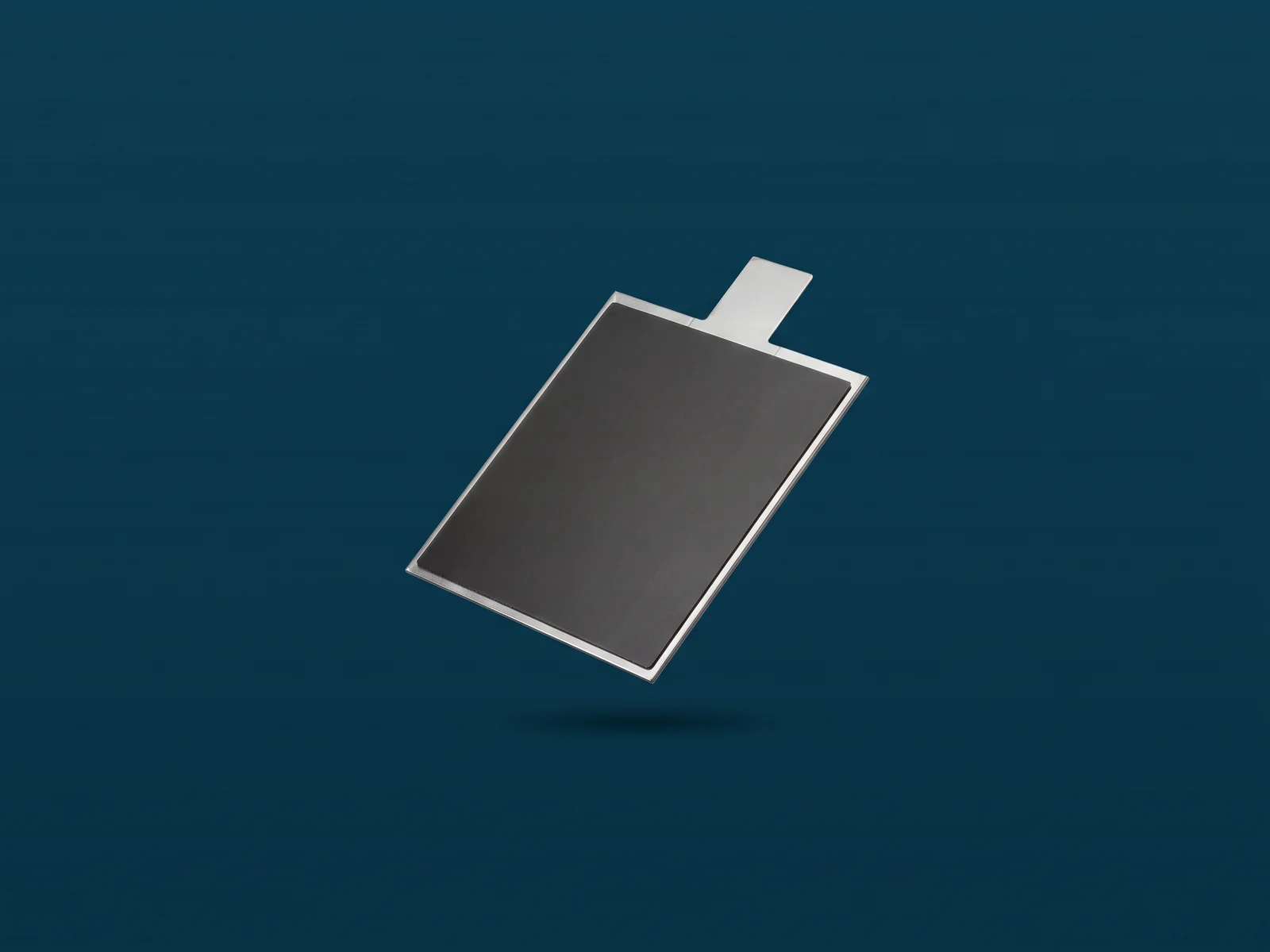
Copper and aluminium foils, coated or bare, are cut into electrode sheets. Ultrashort pulses leave a clean edge with minimal burr and melt beads, and the coating stays bonded right up to the cut.
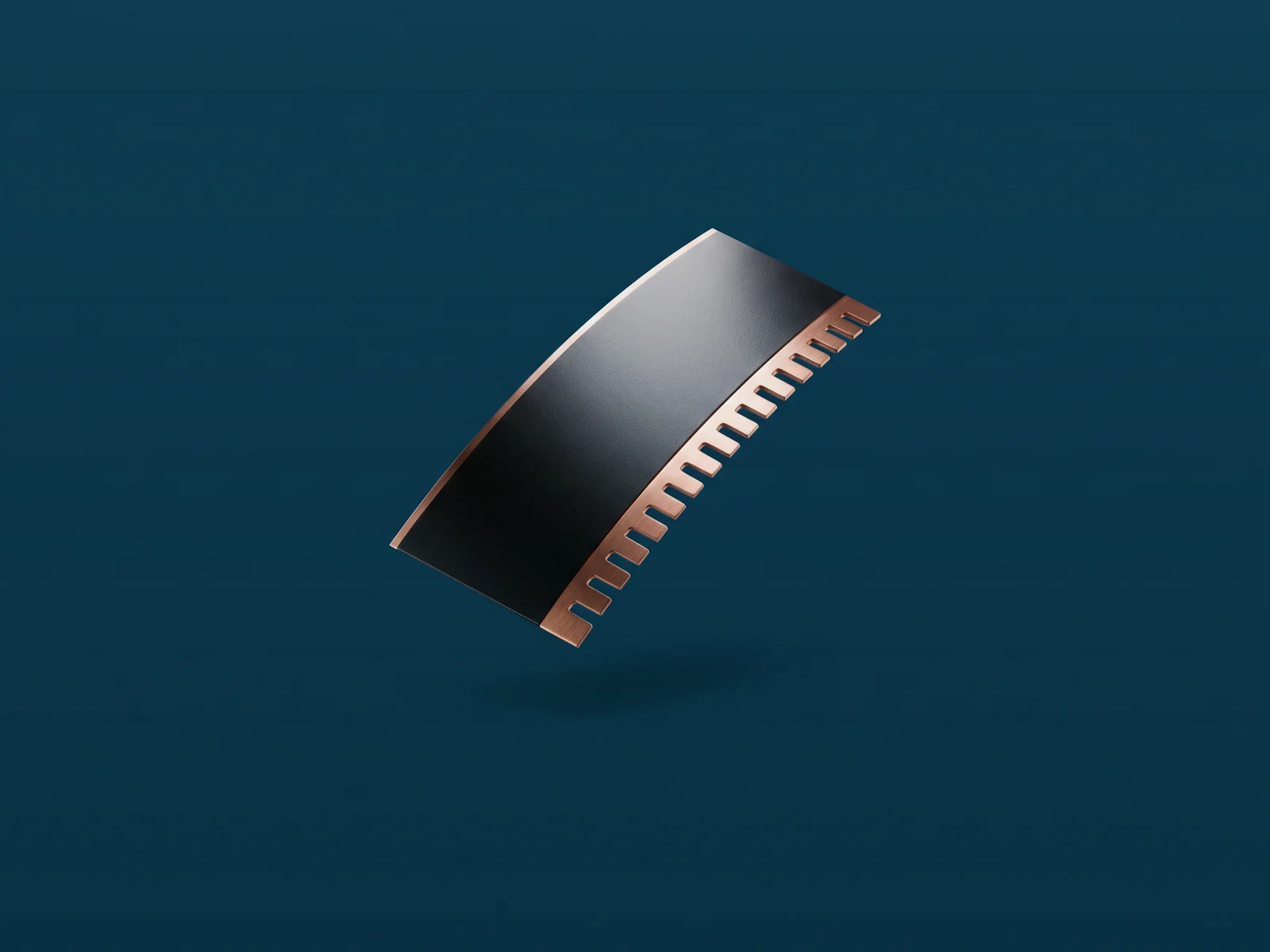
Tabs are notched into the uncoated foil edge of continuous electrodes. Laser notching changes tab shape and spacing in software, without the die wear and changeover of mechanical notching, and with minimal burr at the notch corners. Line speed is matched by average power and the number of heads.
Electrodes are thin metal foils with a coated active layer, cut and notched at high speed. A burr, a melt bead or loose coating at the edge can pierce the separator and cause an internal short. Edge quality is a safety question, not only a cosmetic one.
Burrs, melt and delamination
Mechanical punching and slitting leave burrs that grow as the tools wear. Nanosecond and fibre lasers cut fast but form melt beads, a heat-affected zone and coating delamination at the edge. Each of these raises the risk of internal shorts.
What the process needs
Foil edges with minimal burr
Minimal melt beads and coating delamination
Shape changes without new tooling
Speed that keeps up with roll-to-roll lines
Cut cleanly, change shapes in software
Femtosecond pulses ablate foil and coating with almost no heat input, so cut edges show minimal burr and melt. Electrode shapes and tab layouts change in software, without new dies.
Separator cutting
Polymer and ceramic-coated separators are thin, porous and melt easily. Femtosecond cutting leaves clean edges with minimal melting or shrinkage of the film, so the pores next to the cut stay open.
Busbars and connectors are cleaned and structured before welding or bonding. Removing oxides and coatings in a defined area gives a repeatable weld, and a fine surface texture improves the adhesion of insulation and potting.
Cylindrical and prismatic cell cans need clean areas for welding and permanent codes for traceability. The laser removes coatings locally and writes data matrix codes that stay readable through module assembly.
A burr or melt bead at the electrode edge can pierce the thin separator and connect anode and cathode, causing an internal short. Clean edges with minimal burr reduce that risk and the scrap from edge inspection.
Can a laser keep up with roll-to-roll lines?
Laser notching and cutting are used on roll-to-roll lines. Speed depends on the foil, the coating, pulse energy and the scan system. Average power and scanner speed set the throughput, which has to be confirmed on the real electrode.
Which battery materials can be processed?
Copper and aluminium current collectors, graphite, silicon-containing and cathode coatings, polymer and ceramic-coated separators, busbar materials and cell housings.
What is electrode structuring?
Electrode structuring adds fine channels or holes to thick coatings. They shorten the path for ions and help electrolyte wet the electrode, which is studied for faster charging and longer life. The pattern has to be made without damaging the current collector.
Is copper foil a problem for infrared lasers?
Copper reflects infrared strongly, but femtosecond pulses couple into it through their very high peak intensity. A green 515 nm output is absorbed better by copper and can widen the process window.
Which LITILIT laser fits battery manufacturing?
Indylit 20 for electrode cutting, tab notching, structuring and busbars, where average power sets the throughput. Indylit 10 for separators, cell housing codes and smaller jobs.
How does buying a laser work?
Tell us your material, process and volume. An application engineer reviews your request and suggests a laser and configuration. You then receive a quotation with pricing, lead time, payment and support terms.
Tell us your material, process and volume. Our application engineers suggest a laser and configuration, and we send a quotation with pricing, lead time and support terms.