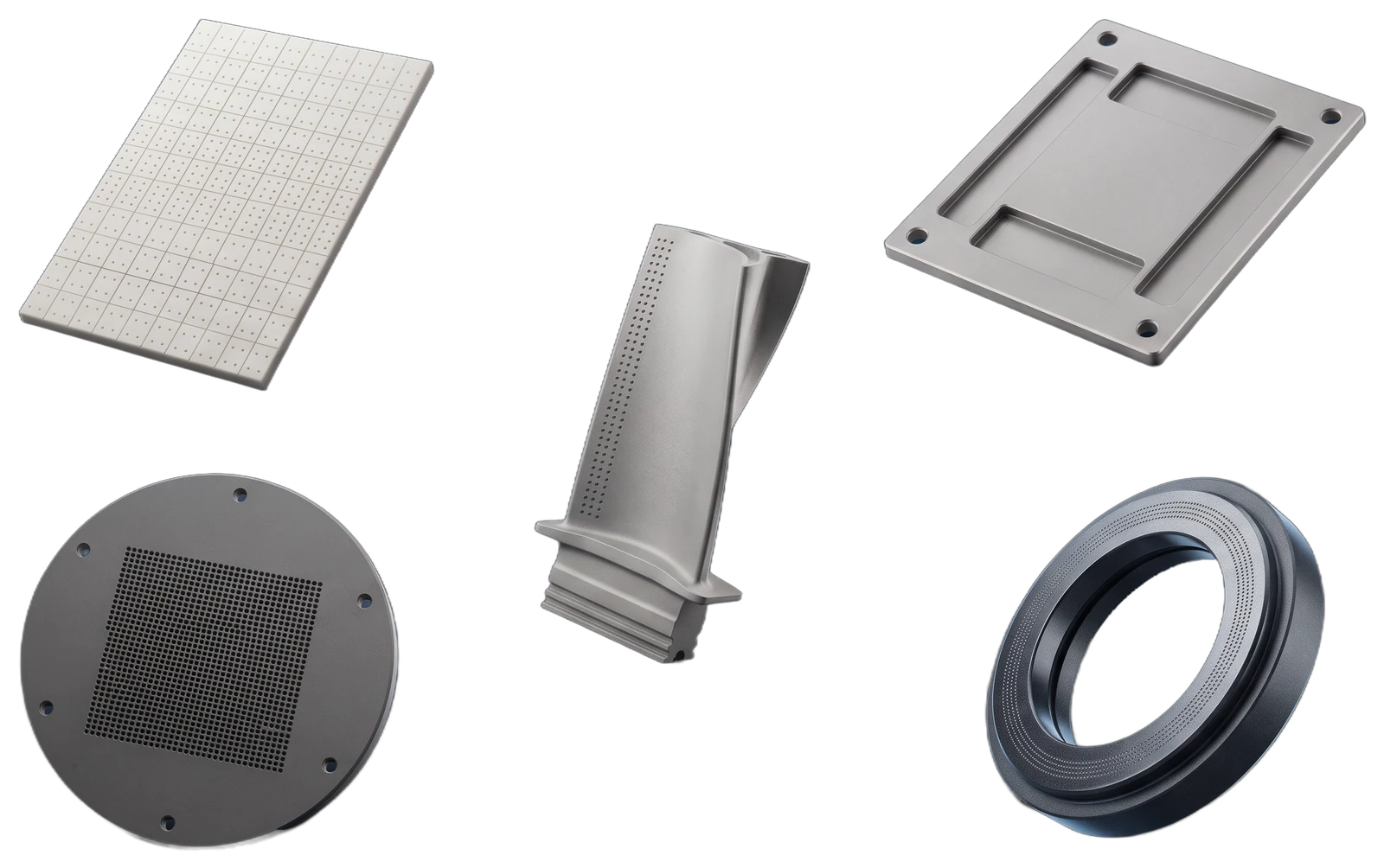
Scribing, drilling, cutting and texturing of alumina, aluminium nitride, silicon carbide, zirconia and sapphire. Femtosecond pulses remove brittle material with far less of the microcracking and chipping that heat and mechanical tools leave behind.
Where femtosecond processing works on ceramics and hard materials, from alumina scribing and sapphire drilling to seal faces, microhole plates and cooling holes.
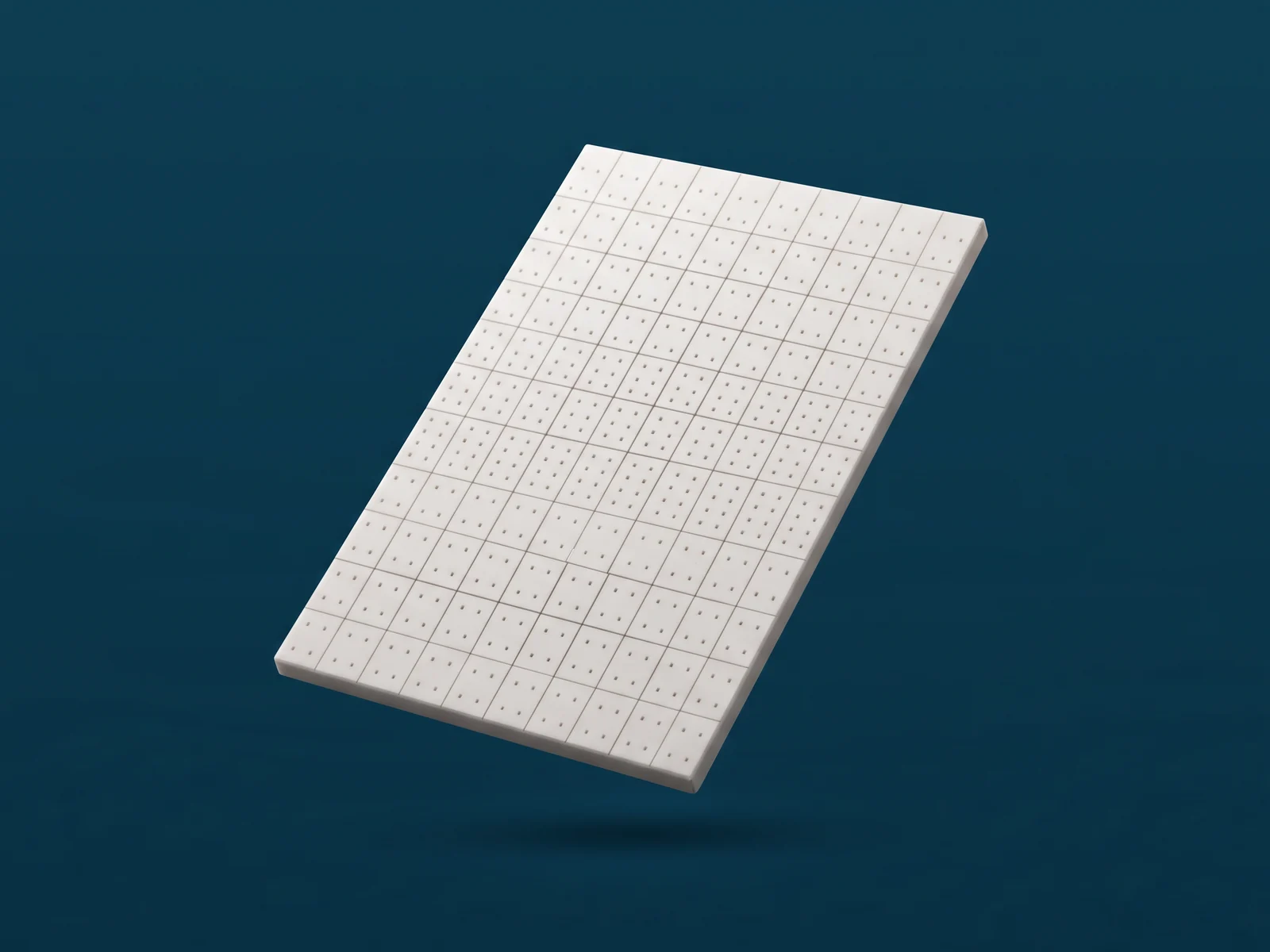
Alumina scribing and cutting
Alumina and aluminium nitride circuit substrates are scribed into many small parts and then snapped apart. A femtosecond scribe line is narrow and has minimal cracking into the part, so edges break cleanly and the parts keep their strength.
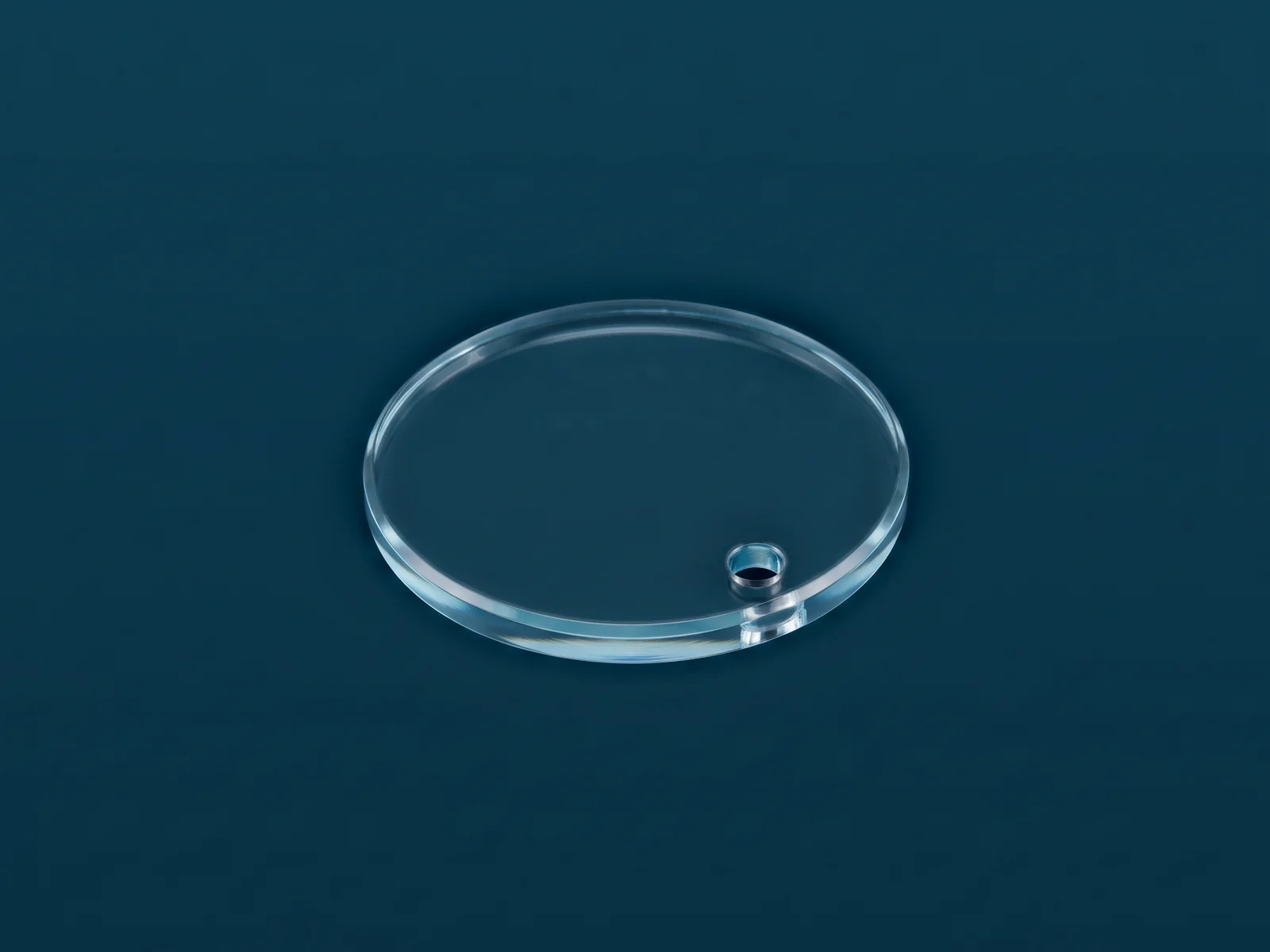
Sapphire windows, watch crystals and sensor covers are hard, clear and brittle. The laser drills holes and cuts contours with smooth walls and minimal chipping on the exit side, without the long diamond-tool cycles sapphire usually needs.
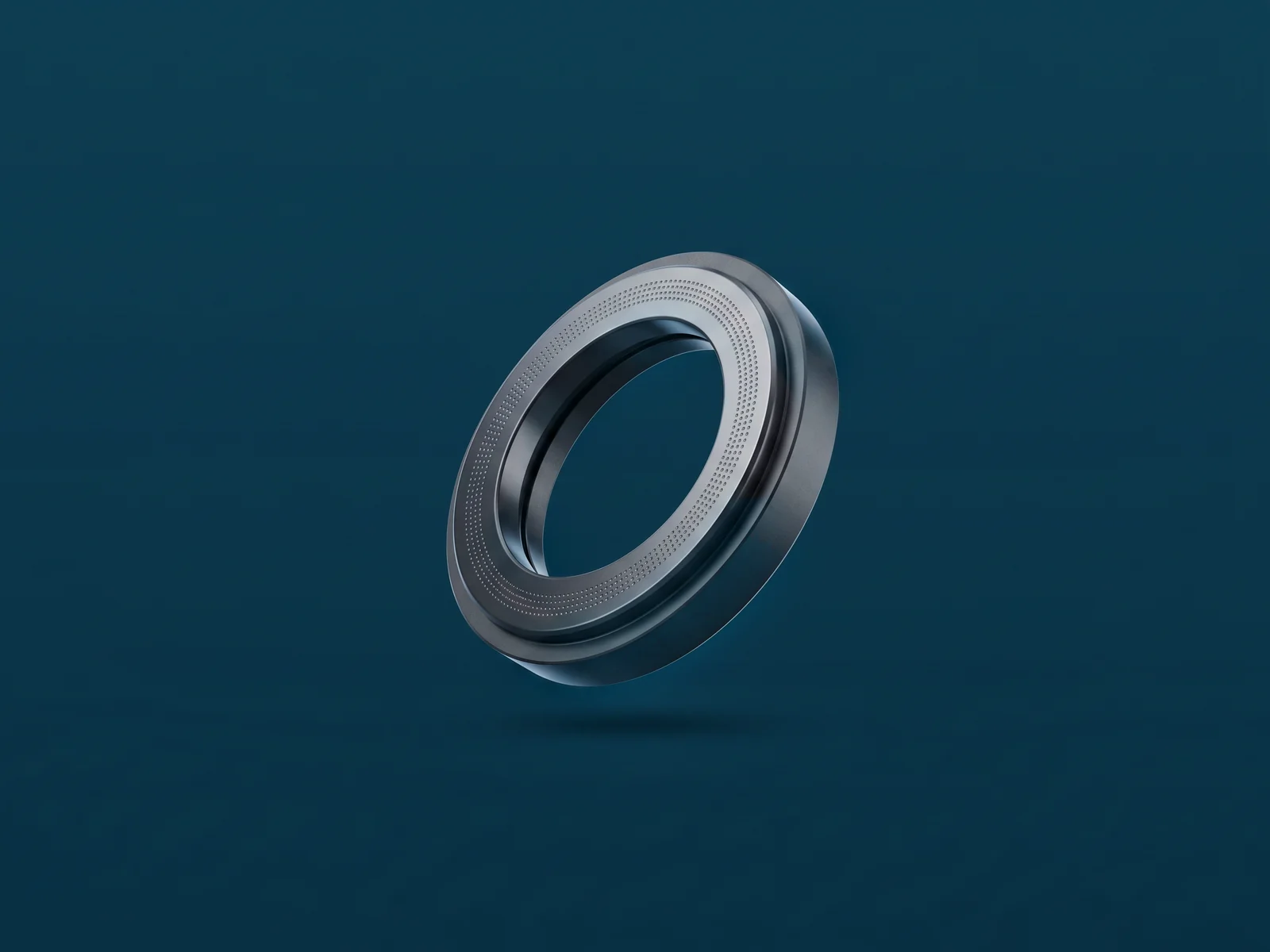
Mechanical seals and bearings made of silicon carbide run longer with a pattern of micro-dimples on the sliding face. The dimples hold lubricant and reduce friction. The laser writes them straight into the lapped face, with minimal cracking and a minimal raised edge to polish.
Technical ceramics and sapphire are chosen because they resist wear, heat and chemicals. The same properties make them slow and costly to machine: diamond tools wear, edges chip, and heat-based lasers leave microcracks that weaken the part.
Tools chip it, heat cracks it
Grinding and ultrasonic drilling are slow on hard ceramics and leave chipped edges. CO₂ and nanosecond lasers scribe fast but put heat into the part, and the thermal stress leaves microcracks and recast that lower its strength.
What the process needs
Edges and hole walls with minimal cracking
Small holes and fine features that tools cannot reach
One process for alumina, SiC, zirconia and sapphire
No tool wear and no tool changes between features
Ablate it, don't crack it
Femtosecond pulses remove a thin layer at a time with minimal heat input to the material around it. Holes, slots, pockets and surface textures are made in fully sintered ceramic and sapphire, with minimal cracking at the edge.
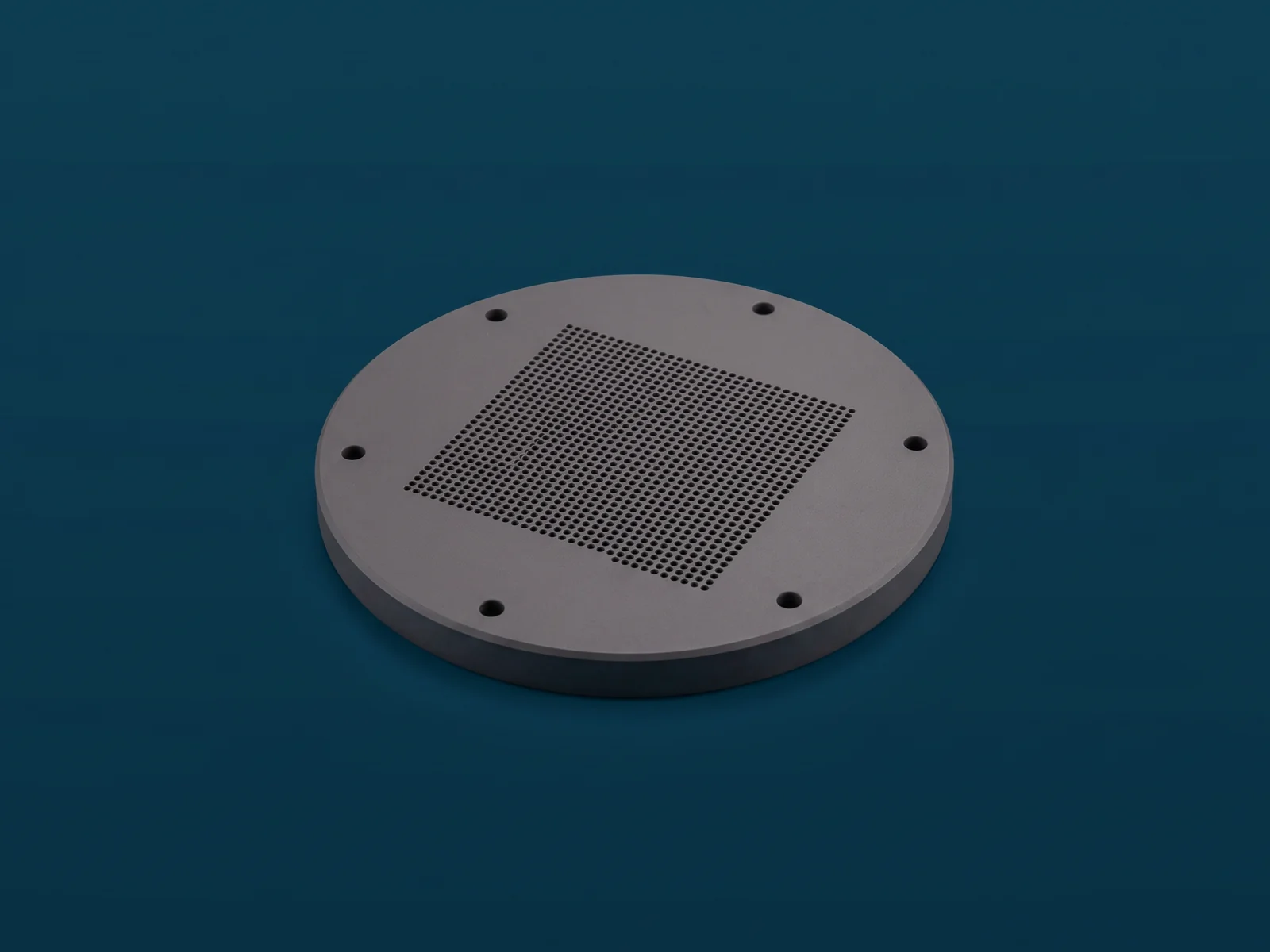
Microhole arrays
Gas distribution plates, filters and nozzles need thousands of identical small holes in ceramic. Every hole is drilled with the same pulse sequence, so diameter and taper stay the same across the whole array.
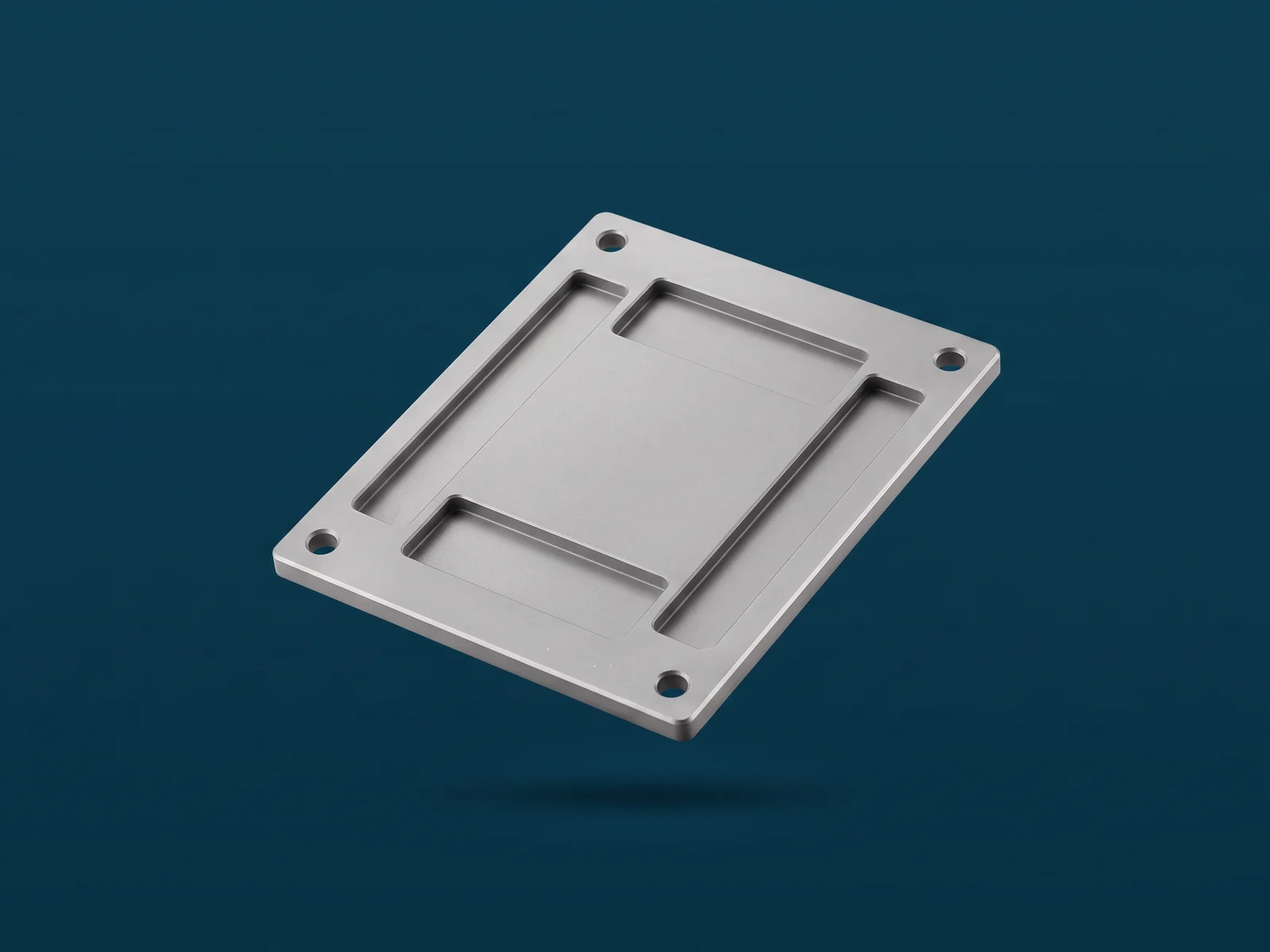
Insulators, carriers and fixtures made of sintered ceramic often need a pocket, a slot or a fine edge after firing. The laser machines these features in the hard state, so there is no shrinkage to allow for and no grinding step.
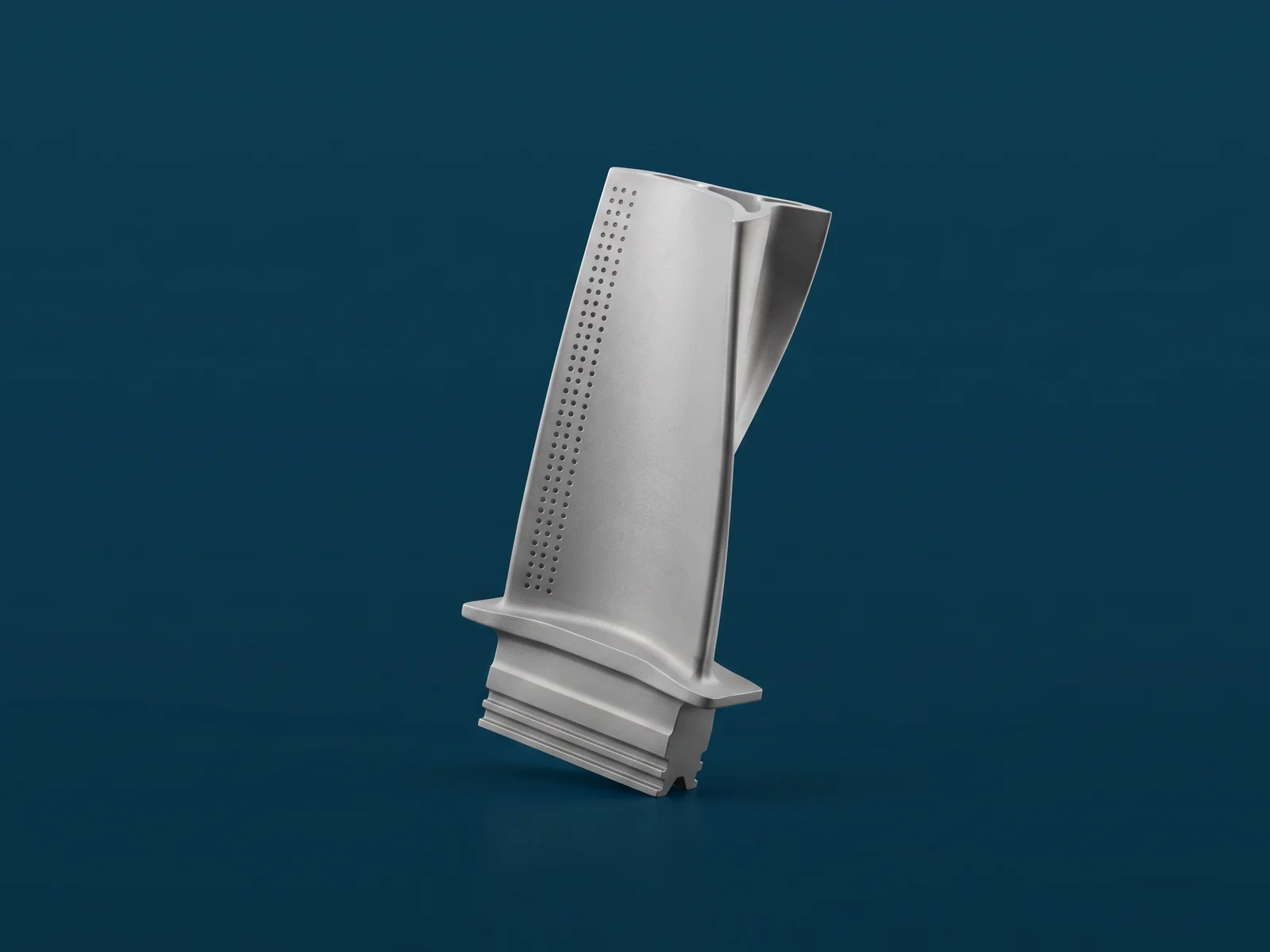
Turbine blades and vanes carry a ceramic thermal barrier coating on a metal alloy. Cooling holes have to pass through both layers without the coating cracking or lifting off. Ultrashort pulses can drill through the ceramic coating and the metal in one process.
Ceramics crack under thermal stress. Femtosecond pulses remove material before heat can build up, so holes and edges in alumina, silicon carbide or sapphire are made with far fewer of the microcracks that longer pulses and heat-based cutting leave.
Can sintered ceramics be machined?
Yes. The laser works on fully sintered parts, so features can be added after firing, with no shrinkage to allow for and no grinding step.
Which materials can be processed?
Alumina, aluminium nitride, zirconia, silicon carbide, silicon nitride, sapphire and other crystals, tungsten carbide, and ceramic coatings on metal parts.
How deep can the laser drill?
It depends on the material, the hole diameter and the time per hole. Through holes in plates around a millimetre thick are typical, with taper and exit quality set by the pulse sequence. Depth and taper have to be confirmed on your own parts.
What does seal face texturing do?
A pattern of shallow micro-dimples on the sliding face of a seal or bearing holds lubricant and helps build a thin fluid film. That lowers friction and wear. The laser writes the pattern straight into the hard face after lapping.
Which LITILIT laser fits ceramics?
Indylit 20 for drilling, cutting, scribing and seal-face texturing, where pulse energy and speed count. Indylit 10 for fine features where 10 W is enough.
How does buying a laser work?
Tell us your material, process and volume. An application engineer reviews your request and suggests a laser and configuration. You then receive a quotation with pricing, lead time, payment and support terms.
Tell us your material, process and volume. Our application engineers suggest a laser and configuration, and we send a quotation with pricing, lead time and support terms.